
Amavasya Dates 2026
There are 12 Amavasya vrats in 2026. The first, Magha Amavasya, is on Sunday, January 18 and the last, Margashirsha Amavasya, is on Tuesday, December 8. New moon day for ancestral worship, pitru tarpan, and seeking blessings from departed souls.
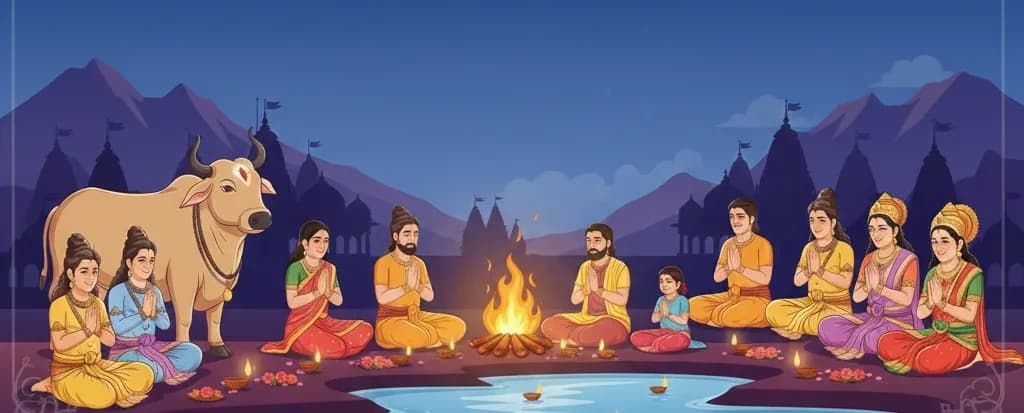
Amavasya Dates in 2026
Times for Ujjain| Date | Vrat | Tithi Timing |
|---|---|---|
| 18 JanSunday | Magha AmavasyaPausha 30 · Krishna PakshaJan 18, 12:04 AM – Jan 19, 1:21 AM | Jan 18, 12:04 AM – Jan 19, 1:21 AM |
| 17 FebTuesday | Phalguna AmavasyaMagha 30 · Krishna PakshaFeb 16, 5:34 PM – Feb 17, 5:31 PM | Feb 16, 5:34 PM – Feb 17, 5:31 PM |
| 19 MarThursday | Chaitra AmavasyaPhalguna 30 · Krishna PakshaMar 18, 8:25 AM – Mar 19, 6:53 AM | Mar 18, 8:25 AM – Mar 19, 6:53 AM |
| 17 AprFriday | Vaishakha AmavasyaChaitra 30 · Krishna PakshaApr 16, 8:11 PM – Apr 17, 5:21 PM | Apr 16, 8:11 PM – Apr 17, 5:21 PM |
| 16 MaySaturday | Jyeshtha AmavasyaVaishakha 30 · Krishna PakshaMay 16, 5:11 AM – May 17, 1:30 AM | May 16, 5:11 AM – May 17, 1:30 AM |
| 15 JunMonday | Jyeshtha Adhika AmavasyaAdhik Jyeshtha 30 · Krishna PakshaJun 14, 12:20 PM – Jun 15, 8:24 AM | Jun 14, 12:20 PM – Jun 15, 8:24 AM |
| 14 JulTuesday | Ashadha AmavasyaJyeshtha 30 · Krishna PakshaJul 13, 6:49 PM – Jul 14, 3:13 PM | Jul 13, 6:49 PM – Jul 14, 3:13 PM |
| 12 AugWednesday | Shravana AmavasyaAshadha 30 · Krishna PakshaAug 12, 1:53 AM – 11:06 PM | Aug 12, 1:53 AM – 11:06 PM |
| 11 SepFriday | Bhadrapada AmavasyaShravana 30 · Krishna PakshaSep 10, 10:33 AM – Sep 11, 8:56 AM | Sep 10, 10:33 AM – Sep 11, 8:56 AM |
| 10 OctSaturday | Ashwina AmavasyaBhadrapada 30 · Krishna PakshaOct 9, 9:36 PM – Oct 10, 9:20 PM | Oct 9, 9:36 PM – Oct 10, 9:20 PM |
| 9 NovMonday | Kartika AmavasyaAshwina 30 · Krishna PakshaNov 8, 11:28 AM – Nov 9, 12:32 PM | Nov 8, 11:28 AM – Nov 9, 12:32 PM |
| 8 DecTuesday | Margashirsha AmavasyaKartika 30 · Krishna PakshaDec 8, 4:13 AM – Dec 9, 6:21 AM | Dec 8, 4:13 AM – Dec 9, 6:21 AM |
Amavasya, the new moon night, is a time for ancestral worship and certain spiritual practices. It's when the moon isn't visible, and this period is often used for connecting with departed souls and performing Pitru Tarpan, a ritual for ancestors, to maintain family ties.
Significance
The idea of Pitru Dharma, or duty towards ancestors, is quite central. This involves living ethically, continuing the family line, and respecting those who came before. Ancestors are thought to be in Pitru Loka and can influence their descendants. Pitru Tarpan is done to keep this connection going and get their blessings.
While every Amavasya is important for ancestral rituals, Mahalaya Amavasya, which falls in the Ashwin month, is considered the most significant. Then there's Somavati Amavasya, when the new moon is on a Monday, and it's observed for marital happiness and family well-being. Vat Savitri Amavasya has its own rituals tied to a specific story. Each monthly Amavasya also has its own astrological influences that some people consider.
Pitru Tarpan is the main ritual, traditionally done at holy rivers, but it can also be performed at home. It usually involves purifying oneself, wearing clean clothes, and facing south. Water mixed with black sesame seeds, barley, and kusha grass is offered, often with mantras. Typically, offerings are made to three generations of ancestors from both the father's and mother's sides.
Observing Amavasya
Fasting is common on Amavasya, and the strictness can vary. This fasting is seen as a form of spiritual discipline. Meditation, chanting mantras, and studying scriptures are also practices that are enhanced during this time. Doing charity, like feeding Brahmins or the poor, is also believed to help ancestors.
Feeding crows is a tradition on Amavasya, as they're considered messengers from Pitru Loka. This practice is about showing humility and recognizing our connection to everything.
The darkness of Amavasya isn't seen negatively, but rather as a time for potential and looking inward. Some tantric practices use this energy, especially in the worship of Goddess Kali. This inward focus helps in introspection and finding one's inner light.
Observing Amavasya can help with ancestral healing and resolving karma. It involves consciously honoring ancestors, offering forgiveness, and seeking release from negative family patterns.
Practices can differ by region. In South India, people often do collective worship at beaches or riverbanks. North India might involve temple visits and special pujas. Sometimes, stories about family history are shared as part of the traditions.
Nowadays, Amavasya practices can be done at home, with a focus on sincere intention and remembrance. Online resources and virtual participation are also available for those who can't attend traditional sites.
Regularly observing Amavasya is linked to practical benefits like solving problems and improving family harmony. It also aids in psychological healing and helps develop qualities like humility and gratitude.
Amavasya reminds us of the cyclical nature of life, including light and darkness, birth and death. Honoring ancestors acknowledges our place in a continuous lineage and the interconnectedness of all beings.