

Meenakshi Amman Temple Madurai
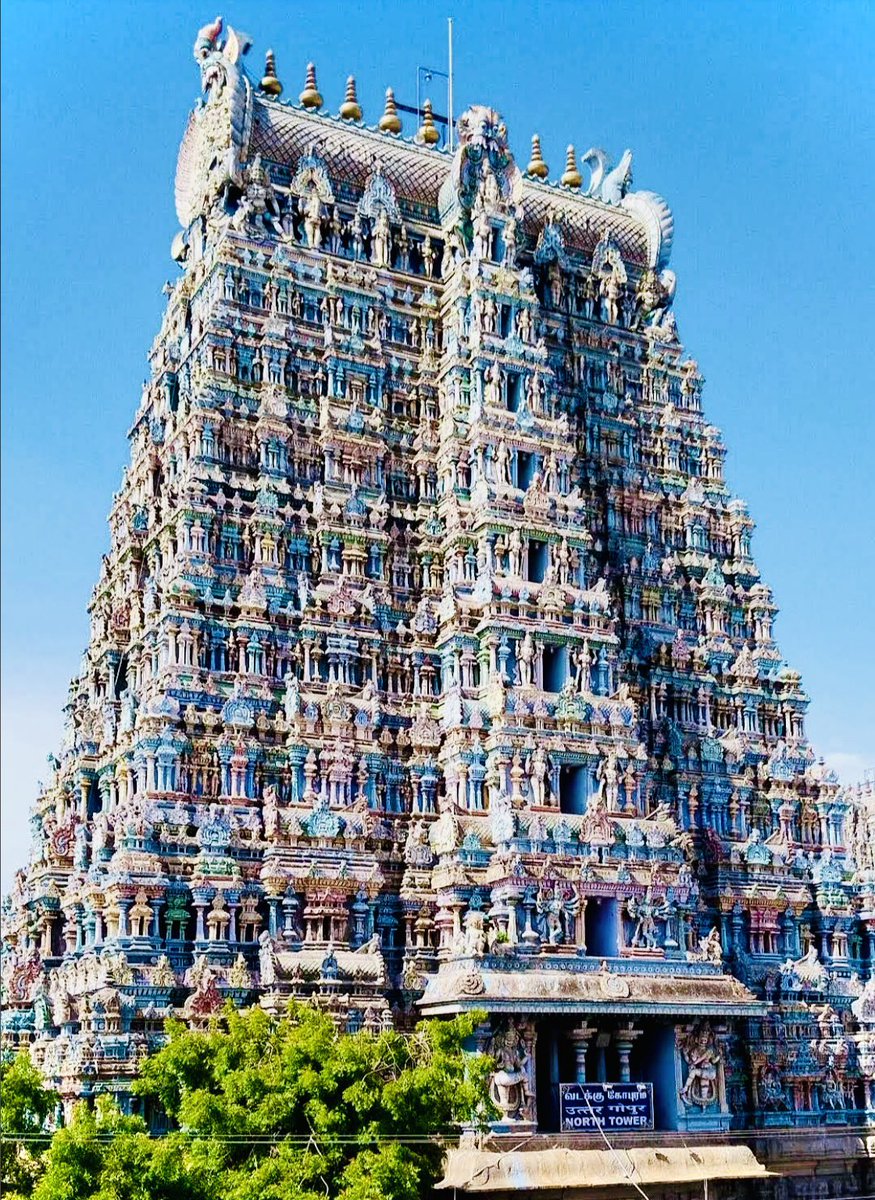
Meenakshi Amman Temple is a historic Hindu temple located on the southern bank of the Vaigai River in Madurai, Tamil Nadu. It is dedicated to Goddess Meenakshi, a form of Parvati, and her consort Lord Sundareswarar, a form of Shiva. The temple is a central landmark of Madurai and serves as a primary pilgrimage site for both Shaivites and Shaktas. It is recognized as one of the largest temple complexes in India and is currently on the UNESCO tentative list for World Heritage Sites.
The temple is significant as a Shakti Peetha, where the goddess is the primary deity and receives precedence in all rituals. This is a departure from most Shiva temples where the male deity is the focus. For visitors, the temple is a massive complex with 14 gateway towers and a famous hall of 1,000 pillars. It is important to note that mobile phones and cameras are strictly prohibited inside the inner temple premises, and visitors must use the provided locker facilities.
Quick Facts
| Field | Details |
|---|---|
| Deity | Goddess Meenakshi (Parvati) and Lord Sundareswarar (Shiva) |
| Location | Madurai, Tamil Nadu |
| State | Tamil Nadu |
| Temple Type | Major Shaiva-Shakti Temple |
| Nearest Metro/Station | Madurai Junction (2 km) |
| Nearest Airport | Madurai Airport (12 km) |
| Entry Fee | Free (Special Darshan: ₹50 - ₹100) |
| Timings | 5:00 AM – 12:30 PM and 4:00 PM – 10:00 PM |
| Best Months | October to March |
| Avoid | April/May (Extreme heat and heavy festival crowds) |
History and Background
The Meenakshi Amman Temple has a history spanning over 2,000 years. Ancient Tamil literature from the Sangam period, such as the "Madurai Kanchi," mentions the temple as the center of the city. According to local tradition, the city of Madurai was built around the temple, with its streets laid out in a lotus shape. The original structure was established by the early Pandya kings.
In the 14th century, the temple suffered significant damage. The forces of Malik Kafur, a general of the Delhi Sultanate, invaded Madurai in 1311 and looted the temple's treasures. Most of the original ancient structures were destroyed during this period. For nearly 50 years, the temple remained closed and fell into disrepair. It was restored after the Vijayanagara Empire defeated the Madurai Sultanate in the late 14th century. The priests returned, and the deities were re-installed.
The current structure seen today is largely the result of the rebuilding efforts led by the Nayak dynasty in the 16th and 17th centuries. King Viswanatha Nayak initiated the reconstruction following the principles of Shilpa Shastra. The most significant expansions occurred during the reign of Tirumalai Nayak (1623–1659). He built several of the massive gopurams (towers) and the large pillared halls. The Nayak rulers transformed the temple into a fortified complex with high walls and intricate stone carvings.
The temple is mentioned in the Tevaram, a collection of hymns by the 7th-century Nayanar saints Sambandar and Appar. It remains a living monument where rituals have been performed continuously for centuries, except for the brief period of the 14th-century invasion. The temple administration was taken over by the Tamil Nadu government under the Hindu Religious and Charitable Endowments Department in the modern era.
The Deity and Significance
The primary deity of the temple is Goddess Meenakshi. The name "Meenakshi" is derived from the Sanskrit words "Meena" (fish) and "Akshi" (eyes). According to mythology, she was born with three breasts and eyes shaped like a fish. A prophecy stated that her third breast would disappear when she met her future husband. This happened when she met Lord Shiva on Mount Kailash. She is considered an incarnation of Parvati.
Lord Sundareswarar, the "Beautiful Lord," is the form of Shiva worshipped here. Unlike most Shiva temples where the Lingam is the sole focus, Meenakshi Amman Temple gives equal or greater importance to the Goddess. Pilgrims visit Meenakshi first before proceeding to the shrine of Sundareswarar. This reflects the "Shakti" tradition where the female energy is seen as the driving force of the universe.
The temple is one of the 51 Shakti Peethas. It is believed that the middle part of Goddess Sati's body fell here. Pilgrims come to this temple seeking blessings for marriage, fertility, and family well-being. The "Meenakshi Nayakan" ritual, where the goddess is treated as a queen who rules the city, is a unique aspect of the local belief system. The temple is also one of the "Pancha Sabhai" (five halls) where Shiva is said to have performed the cosmic dance; here, it is the "Velli Ambalam" (Silver Hall).
What You'll See
The temple architecture is a prime example of the Dravidian style. The complex covers approximately 15 acres and is enclosed by high stone walls. There are 14 gopurams (gateway towers) in total. The Southern Tower is the tallest, reaching a height of 52 metres (170 feet). Each tower is covered with thousands of small stucco figures depicting gods, demons, and scenes from Hindu mythology. These figures are repainted every 12 years during the Kumbhabhishekam ceremony.
The Ayirakkal Mandapam, or the Hall of 1,000 Pillars, is a major feature. It actually contains 985 pillars, each carved with intricate details. No two pillars are identical. The hall now houses a museum of temple art, displaying bronze icons, photographs, and historical artifacts. Outside this hall, there are "musical pillars" that produce different musical notes when struck with a stone or tool.
The Porthamarai Kulam, or the Golden Lotus Tank, is an ancient pond located inside the complex. It is surrounded by pillared corridors. According to legend, the tank was used by the Sangam poets to judge the quality of their literary works. Manuscripts that floated were considered good, while those that sank were rejected. The walls of the corridors around the tank are decorated with 17th-century murals depicting the 64 miracles of Shiva.
Inside the inner sanctum, the idol of Meenakshi is made of green stone (marakata). The Sundareswarar shrine contains a traditional Shiva Lingam, guarded by a massive Nandi statue. The Velli Ambalam features a large silver-plated statue of Nataraja (Shiva in dance form). A unique feature of this Nataraja is that he is depicted resting on his right leg, whereas in most other temples, he rests on his left leg.
Darshan — How It Works
The temple is open from 5:00 AM to 12:30 PM and from 4:00 PM to 10:00 PM. There are four main entrances (East, West, North, and South). The South Tower entrance is the most popular for tourists, but the East entrance is the traditional main entry for pilgrims.
Entry and Queues
There are two types of darshan lines:
- Free Darshan: This is the general queue. On a standard weekday, the wait time is between 1 and 2 hours. On weekends, this can extend to 3 or 4 hours.
- Special Darshan: Tickets for special darshan cost between ₹50 and ₹100. These lines are shorter and usually take 30 to 45 minutes to reach the sanctum. Tickets can be purchased at counters located near the entrance of the inner shrines.
The Process
Visitors first enter the outer complex and pass through security. You must leave your footwear at the designated stands (usually near the East or South gates). You then proceed to the Meenakshi Amman shrine. After seeing the goddess, you follow the path to the Sundareswarar shrine.
The inner sanctums (where the idols are located) are generally restricted to Hindus only. Non-Hindus can explore the outer corridors, the 1,000-pillar hall, and the Golden Lotus Tank area.
Special Puja and Rituals
- Palliyarai Puja: Every night at around 9:00 PM, an idol of Sundareswarar is carried in a palanquin to the chamber of Meenakshi. This ritual is accompanied by music and chanting. It is a popular event for devotees to witness before the temple closes.
- Thangachari (Golden Chariot): Devotees can pay for a Golden Chariot procession, which usually costs around ₹2,000.
- Abhishekam: Ritual bathing of the deities happens in the early morning.
Accessibility
The temple provides ramps for wheelchair access in most areas. There are separate queues for the elderly and physically challenged to reduce their waiting time. It is advisable to visit during the early morning hours (5:30 AM to 7:00 AM) for the quickest experience.
Festival and Crowd Calendar
| Month | Crowd Level | Main Event / Reason |
|---|---|---|
| January | Moderate | Pongal / Thai Utsavam |
| February | Moderate | Masi Magam Festival |
| March | Moderate | Panguni Uthiram |
| April | Very High | Chithirai Brahmotsavam (Celestial Wedding) |
| May | High | Summer holidays and Chithirai conclusion |
| June | Low | Ani Uthiram |
| July | Moderate | Adi Mulam festival |
| August | Moderate | Avani Moola Utsavam (Coronation of Shiva) |
| September | High | Navaratri Festival |
| October | Moderate | Deepavali and Sharad Navaratri |
| November | High | Skanda Sashti and Karthigai Deepam |
| December | High | Margazhi Dhanurmasam and Arudhra Darshan |
Major Events
- Chithirai Festival (April/May): This is the most important festival. It lasts for 10 days and celebrates the wedding of Meenakshi and Sundareswarar. On the 10th day, over a million people gather to see the chariot procession. Wait times for darshan during these days can exceed 10 hours.
- Navaratri (September/October): The temple is decorated with "Golu" (doll displays). Special pujas are performed for the goddess in different forms. Crowds are heavy in the evenings.
- Avani Moola Utsavam (August/September): This festival depicts the various "Leelas" (miracles) of Lord Shiva in Madurai.
Best Times for Short Queues
The shortest queues are typically found on Tuesday, Wednesday, and Thursday mornings between 7:30 AM and 10:30 AM. The months of June and July generally see fewer pilgrims compared to the rest of the year.
Getting There
By Train
Madurai Junction (MDU) is a major railway hub in South India. It is located about 2 km from the temple. Auto-rickshaws and taxis are available 24/7 from the station.
| From | Train Name | Duration | Notes |
|---|---|---|---|
| Chennai | 12635 Vaigai Superfast Exp | 7h 40m | Daily service; very reliable |
| Bangalore | 16236 Mysore-Tuticorin Exp | 9h 15m | Overnight journey |
| Mumbai | 11021 Dadar Tirunelveli Exp | 34h 20m | Operates 3 days a week |
| Delhi | 12642 Thirukkural Exp | 46h 10m | Long distance; weekly |
| Hyderabad | 12790 Kacheguda Madurai Exp | 22h 30m | Direct connectivity |
| Kochi | 16343 Amrita Express | 9h 45m | Daily overnight train |
Note: You should book tickets in advance at irctc.co.in.
By Road
Madurai is well-connected by National Highways NH44 (Srinagar-Kanyakumari) and NH38.
- From Chennai: Approximately 460 km via NH45. The road is a 4-lane highway in excellent condition. Travel time is 8-9 hours.
- From Coimbatore: Approximately 215 km via NH81. Travel time is 4-5 hours.
- From Kanyakumari: Approximately 245 km via NH44. Travel time is 4 hours.
State-run TNSTC buses and private omni buses operate frequently from all major cities in Tamil Nadu and neighboring states. The Mattuthavani Bus Stand is the main terminal for long-distance buses.
By Air
Madurai Airport (IXM) is 12 km from the temple. It has direct flights from Chennai, Bangalore, Hyderabad, Mumbai, and Colombo (International). From the airport, you can take a pre-paid taxi (approx. ₹400-₹600) or an app-based cab (Uber/Ola) to reach the temple.
Where to Stay
Madurai offers a wide range of accommodation. It is generally better to stay within 2-3 km of the temple for easy access to early morning rituals.
- Budget: There are numerous lodges and "Ashrams" around the West Tower and Town Hall Road. Prices range from ₹800 to ₹1,500 per night. These are basic but functional.
- Mid-range: Hotels like Hotel Supreme or Hotel Germanus offer better amenities, air conditioning, and in-house restaurants. Prices range from ₹2,500 to ₹4,500.
- Best Overall: For a luxury stay, the Heritage Madurai or Gateway Hotel Pasumalai (Taj) are the best options. These are located 5-7 km from the temple. Prices range from ₹7,000 to ₹12,000 per night.
Staying in the city center is recommended as it allows you to walk to the temple and nearby markets.
What You Can't Miss Nearby
- Thirumalai Nayakkar Mahal (2 km): A 17th-century palace built by the king who expanded the Meenakshi temple. It features massive white pillars and a large courtyard. There is a light and sound show in the evening.
- Gandhi Memorial Museum (4 km): Located in the historic Tamukkam Palace, this museum contains artifacts related to Mahatma Gandhi, including the blood-stained garment he wore when he was assassinated.
- Koodal Azhagar Temple (1.5 km): An ancient Vishnu temple located near the Meenakshi temple. It is famous for its three postures of Vishnu (sitting, standing, and reclining) stacked vertically.
- Vandiyur Mariamman Teppakulam (5 km): A massive temple tank with a central mandapam. It is the site of the Float Festival in January/February. It is one of the largest tanks in South India.
- Alagar Koyil (21 km): A temple dedicated to Lord Vishnu located in the Alagar hills. It is architecturally significant and plays a major role in the Chithirai festival.
- Pazhamudhircholai (24 km): One of the six sacred abodes of Lord Murugan, located further up the hill from Alagar Koyil. It is known for its natural springs and forest setting.
Practical Information
Costs Table
| Item | Approximate Cost |
|---|---|
| Special Darshan Ticket | ₹50 - ₹100 |
| Footwear Storage | ₹5 - ₹10 |
| Cloakroom/Locker | ₹20 - ₹50 |
| 1,000-Pillar Hall Entry | ₹5 (Indians), ₹50 (Foreigners) |
| Camera Fee (Museum only) | ₹50 |
| Auto-rickshaw (within city) | ₹100 - ₹200 |
Rules and Requirements
- Dress Code: Men must wear dhotis or formal trousers with a shirt. Women must wear sarees, dhotis, or pavadai (half-saree). Salwar kameez with dupatta is generally allowed, but leggings or tight-fitting clothes are discouraged. Shorts and lungis are strictly prohibited.
- Photography: Prohibited inside the temple complex. You must leave your phone in your vehicle or at the temple locker counters.
- Security: Expect multiple rounds of frisking and metal detectors. Do not carry large bags, electronics, or sharp objects.
- Food: The temple provides "Annadhanam" (free lunch) to thousands of devotees daily at noon. There are many vegetarian restaurants (like Sree Sabarees or Adyar Ananda Bhavan) within walking distance of the gates.
- Lockers: Available at all four main entrances. They are safe and managed by the temple administration.
Frequently Asked Questions
Is there an entry fee for the Meenakshi temple?
The general darshan is free for everyone. If you wish to save time, you can purchase special darshan tickets for ₹50 or ₹100 at the counters inside the temple.
What are the temple timings?
The temple is open from 5:00 AM to 12:30 PM and reopens from 4:00 PM to 10:00 PM. It is closed during the afternoon hours for rituals and cleaning.
What is the dress code for Meenakshi Amman Temple?
The dress code is strict. Men should wear shirts and trousers or dhotis. Women should wear sarees or salwar kameez with a dupatta. Avoid wearing shorts, mini-skirts, or sleeveless tops.
Can non-Hindus enter the temple?
Non-Hindus are allowed into the outer areas, the 1,000-pillar hall, and the Golden Lotus Tank area. However, the inner sanctums of Goddess Meenakshi and Lord Sundareswarar are restricted to Hindus only.
Are mobile phones allowed inside?
No, mobile phones and cameras are strictly banned inside the temple complex. You must deposit them at the official locker counters at the entrance.
When is the best time to visit to avoid crowds?
The best time is on a weekday morning, specifically between 7:30 AM and 9:30 AM. Avoid weekends, public holidays, and the month of April during the Chithirai festival.
How much time is needed for a full visit?
A standard visit including darshan and seeing the 1,000-pillar hall takes about 3 to 4 hours. During festivals, this can extend to a full day.
Is the temple accessible for the elderly?
Yes, there are ramps and separate queue lines for the elderly and people with disabilities. Wheelchairs are available at the main entrances upon request.
Which is the nearest railway station?
Madurai Junction (MDU) is the nearest station, located just 2 km away. It is well-connected to all major Indian cities.
Is this one of the 12 Jyotirlingas?
No, Meenakshi Amman Temple is not one of the 12 Jyotirlingas. It is, however, one of the 51 Shakti Peethas and a major center for the Shaiva-Siddhanta tradition.
What is the significance of the 1,000-pillar hall?
The hall is a masterpiece of Dravidian engineering. It contains 985 uniquely carved pillars and musical pillars that produce different notes. It also houses the temple's museum.
Can I book darshan tickets online?
Currently, the temple does not have a robust online booking system for general darshan. Tickets for special pujas and special darshan are mostly purchased at the physical counters on-site.
Quick Reference
- Primary Deities: Meenakshi (Parvati) and Sundareswarar (Shiva).
- Location: Madurai city center, Tamil Nadu.
- Architecture: Dravidian style with 14 gopurams and a 1,000-pillar hall.
- Dress Code: Strict (Saree/Salwar for women, Trousers/Dhoti for men).
- Prohibited Items: Mobile phones, cameras, and leather items are not allowed inside.
- Main Festival: Chithirai Festival in April/May (10 days).
- Darshan Time: 1-2 hours on average; 4+ hours on peak days.
- Key Attraction: The Southern Tower (52m) and the Golden Lotus Tank.