
Konark Sun Temple
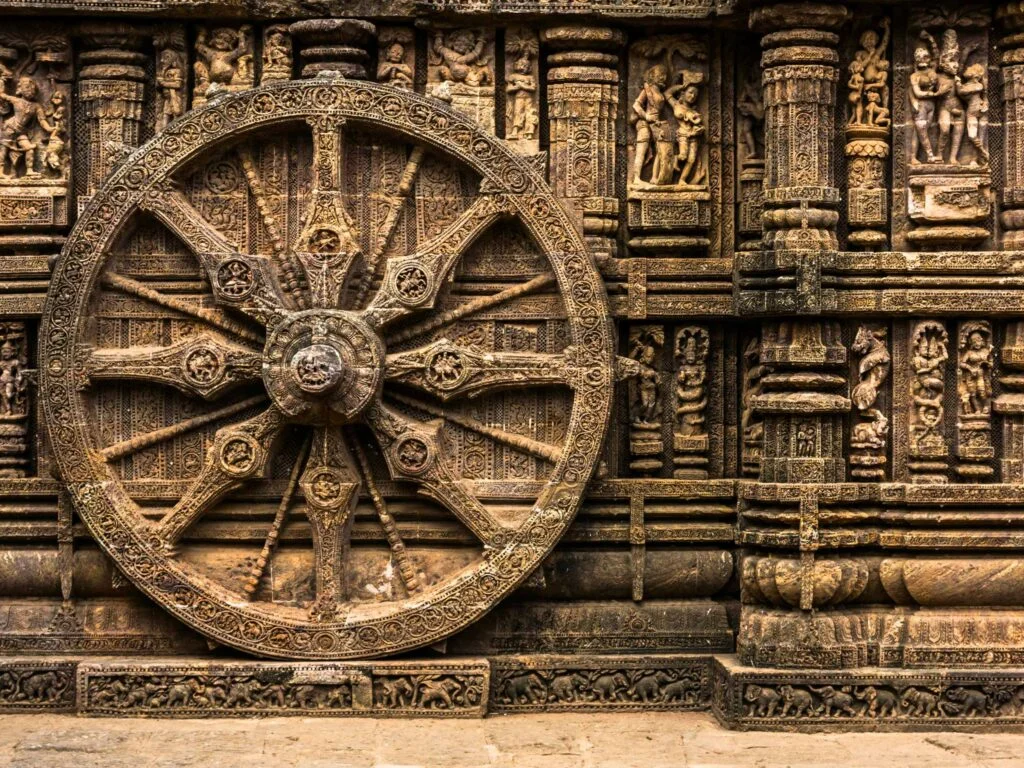
Konark Sun Temple is a 13th-century Hindu temple located in Konark, Odisha, about 35 kilometers from Puri. It is a UNESCO World Heritage Site dedicated to the Sun God, Surya, and is designed as a massive stone chariot. While it was once a major center of worship, the temple is no longer an active religious site and is managed by the Archaeological Survey of India (ASI).
Visitors should note that because this is a protected monument rather than an active temple, there are no religious rituals or priests inside the main structure. The site is famous for its Kalinga architecture, intricate stone carvings, and the scientific precision of its design. It is one of the most visited historical sites in Eastern India and requires a few hours to explore fully.
Quick Facts
| Field | Details |
|---|---|
| Deity | Surya (Sun God) |
| Location | Konark, Puri district, Odisha |
| State | Odisha |
| Temple Type | UNESCO World Heritage Site |
| Nearest Metro/Station | Puri Junction (35 km) or Bhubaneswar Station (65 km) |
| Nearest Airport | Biju Patnaik International Airport, Bhubaneswar (65 km) |
| Entry Fee | ₹40 for Indians, ₹600 for foreigners (subject to change) |
| Timings | 6:00 AM to 8:00 PM |
| Best Months | October to March |
| Avoid | April to June (extreme heat) |
History and Background
The Konark Sun Temple was built in 1250 CE during the reign of King Narasimhadeva I of the Eastern Ganga Dynasty. Historical records and local traditions state that the project took 12 years to complete and employed a workforce of 1,200 skilled artisans. The temple was positioned on the shores of the Bay of Bengal, though the coastline has since receded. In its peak years, European sailors referred to it as the "Black Pagoda" because of its dark color and its use as a navigational landmark, contrasting it with the "White Pagoda" (the Jagannath Temple in Puri).
The Eastern Ganga Dynasty was a powerful South Indian lineage that ruled over the Kalinga region. King Narasimhadeva I commissioned the temple to celebrate his military victories and to demonstrate his devotion to Surya. The construction used three types of stone: Chlorite, Laterite, and Khondalite. The precision of the masonry is a point of study for historians, as the stones were joined using iron dowels and plates without the use of mortar.
The temple's history is also marked by its partial destruction. The main sanctum, which originally stood at a height of over 200 feet, collapsed several centuries ago. There are various theories regarding this collapse, including structural flaws, the removal of a heavy magnetic stone from the top of the temple that supposedly stabilized the structure, or damage caused by Islamic invaders like Kalapahad in the 16th century. By the 19th century, the temple was largely in ruins and buried under sand.
In 1903, the British administration under Lieutenant Governor John Woodburn ordered the interior of the surviving audience hall (jagamohana) to be filled with sand and sealed to prevent it from collapsing. This sand remains inside the structure today, which is why visitors cannot enter the interior of the main hall. The site was designated a UNESCO World Heritage Site in 1984, recognizing it as a masterpiece of creative genius and a significant representation of the Kalinga school of architecture.
The Deity and Significance
The temple is dedicated to Surya, the Sun God, who holds a central position in the Hindu pantheon. Surya is considered the source of all life, energy, and light. In Vedic tradition, he is often depicted riding a chariot pulled by seven horses, representing the seven days of the week or the seven colors of the rainbow. The Konark temple is the physical manifestation of this mythological concept.
Pilgrims and visitors come to Konark to see the representation of the solar cycle and the cosmic order. While there is no longer a presiding deity in the sanctum for daily worship, the temple remains a site of spiritual importance. According to the Kapila Samhita, Konark is one of the four most important religious sites in Odisha, representing the "Arka Kshetra" (the region of the Sun).
The mythology of the site is linked to Samba, the son of Lord Krishna. Legend says that Samba was cursed with leprosy and performed 12 years of penance at the mouth of the Chandrabhaga River to please Surya. The Sun God cured him, and in gratitude, Samba built a temple in Surya's honor. This legend established Konark as a place associated with healing and the removal of skin diseases. Even today, during the Magha Saptami festival, thousands of people gather at the nearby Chandrabhaga beach to take a holy dip, believing it will cleanse them of ailments.
What You'll See
The architecture of Konark is the primary attraction. The entire complex is built in the shape of a giant chariot with 24 wheels and seven horses. The 24 wheels are carved around the base of the temple. Each wheel is about 10 feet in diameter and features eight thick spokes and eight thin spokes. These wheels function as sundials; the shadows cast by the spokes can be used to calculate the time of day with high accuracy.
The surviving structures include the Jagamohana (the audience hall) and the Nata Mandir (the dance hall). The Nata Mandir is a high platform decorated with carvings of dancers and musicians in various poses. This was the place where the Devadasis (temple dancers) would perform as an offering to the deity. The pillars in this section are covered with detailed figures of people playing drums, cymbals, and other traditional instruments.
The exterior walls of the temple are famous for their dense carvings. You will see depictions of daily life in the 13th century, including hunting scenes, military processions, animals like elephants and lions, and mythological creatures. A significant portion of the carvings includes erotic sculptures (Mithuna figures). These are interpreted as a representation of Kama (desire), which is one of the four goals of human life (Purusharthas) in Hindu philosophy.
The temple also features three large statues of Surya made of green chlorite stone. These are positioned on three different sides of the temple to catch the rays of the sun at dawn, noon, and sunset. The detail on these statues, including the jewelry and the boots worn by the deity (a Persian influence), is still visible today. The base of the temple is supported by a frieze of over 1,700 elephants, each carved in a different posture.
Darshan — How It Works
Since Konark is a protected monument and not an active temple, the "darshan" process is actually a self-guided or guided tour of the ruins. There is no inner sanctum to enter and no deity to offer prayers to in the traditional sense.
- Entry Points: There is one main entrance for visitors. You must purchase a ticket at the counter near the parking area or book it online through the ASI website. Online booking is recommended to avoid long queues at the physical counter.
- Queue Times: On a regular weekday, the wait at the entrance is usually less than 15 minutes. On weekends and public holidays, this can increase to 45 minutes. During the Magha Saptami festival in January or February, the crowds are massive, and entry can take over two hours.
- Inside the Complex: Once you pass security, you are free to walk around the entire platform. There is no fixed path, but most people start with the Nata Mandir, move to the main Jagamohana, and then walk around the base to see the 24 wheels.
- Time Required: It takes approximately 2 to 3 hours to see the carvings and the museum properly. If you hire a guide, they will usually take you through a 60-minute tour.
- Special Access: There are no special puja options. For elderly or disabled visitors, the ground is relatively flat, but there are steps to climb onto the main temple platforms. Wheelchairs are available at the entrance, but they cannot reach the upper levels of the structures.
- Light and Sound Show: In the evening, there is a light and sound show that explains the history of the temple. This requires a separate ticket and usually has two shows (one in Odia/Hindi and one in English).
Festival and Crowd Calendar
| Month | Crowd Level | Main Event / Reason |
|---|---|---|
| January | Very High | Magha Saptami (Chandrabhaga Mela) |
| February | High | Konark Dance Festival (sometimes held in Dec/Feb) |
| March | Moderate | Pleasant weather, school trips |
| April | Low | Rising temperatures |
| May | Very Low | Extreme heat and humidity |
| June | Low | Monsoon begins, high humidity |
| July | Moderate | Rain makes the stone look dark; fewer tourists |
| August | Moderate | Monsoon season |
| September | Moderate | End of monsoon |
| October | High | Start of peak tourist season, Durga Puja holidays |
| November | High | Ideal weather for sightseeing |
| December | Very High | Konark Festival (Dance and Music), Year-end holidays |
Most Crowded Events:
- Magha Saptami (January/February): This is the biggest religious event. Hundreds of thousands of pilgrims gather at the Chandrabhaga beach for a holy dip before visiting the temple. Wait times for entry can exceed 3 hours.
- Konark Festival (December 1-5): A major cultural event featuring classical Indian dance. While the temple itself is busy, the evening shows attract large crowds of tourists and art enthusiasts.
- New Year’s Day (January 1): Local crowds from across Odisha visit the temple for picnics and outings.
Best Days for Short Queues:
- Tuesdays and Wednesdays in the months of July, August, and September usually have the shortest queues.
- Arriving exactly at 6:00 AM during the winter months allows you to see the temple before the tour buses from Puri and Bhubaneswar arrive around 10:00 AM.
Getting There
By Train
The nearest major railway station is Puri (PUI), located 35 km away. Another major hub is Bhubaneswar (BBS), 65 km away. Both are well-connected to the rest of India.
| From | Train Name | Duration | Notes |
|---|---|---|---|
| New Delhi | 12802 Purushottam Express | 30h 15m | Daily service to Puri |
| Kolkata | 12277 Puri Shatabdi Exp | 7h 45m | Fastest from Howrah |
| Mumbai | 12145 LTT Puri SF Exp | 32h 10m | Weekly service |
| Chennai | 22860 Chennai Puri SF Exp | 20h 30m | Weekly service |
| Hyderabad | 17063 Visakha Express | 21h 00m | Daily to Bhubaneswar |
| Bangalore | 12846 HWH Duronto Exp | 23h 15m | To Bhubaneswar |
Note: You can book tickets at irctc.co.in.
By Road
Konark is connected by well-maintained roads to Puri and Bhubaneswar.
- From Puri (35 km): The New Marine Drive road connects Puri to Konark. It is a scenic route that runs parallel to the sea. The drive takes about 1 hour.
- From Bhubaneswar (65 km): Take the SH 13. The road is generally in good condition. The drive takes about 1.5 to 2 hours.
- Public Transport: Regular OSRTC buses and private buses run from the Puri bus stand and Bhubaneswar (Baramunda and Kalpana Square). Taxis and auto-rickshaws are also available for hire.
By Air
The nearest airport is Biju Patnaik International Airport (BBI) in Bhubaneswar, 65 km away. It has direct flights from Delhi, Mumbai, Kolkata, Bangalore, and Hyderabad. From the airport, you can hire a prepaid taxi or take a bus to reach Konark.
Where to Stay
There are limited options directly in Konark compared to Puri or Bhubaneswar.
- Budget: Several small guest houses and lodges are located near the temple entrance. Prices range from ₹800 to ₹1,500 per night.
- Mid-Range: OTDC Panthanivas Konark is the state-run hotel. it is located very close to the temple and offers reliable service. Prices range from ₹2,500 to ₹4,500. Lotus Eco Resort near Ramachandi beach is another popular choice.
- Best Overall Option: Many travelers prefer staying in Puri (35 km away) because of the wide range of luxury resorts and beach hotels. You can visit Konark as a half-day trip from Puri. Puri hotels range from ₹2,000 to ₹15,000 per night.
What You Can't Miss Nearby
- Chandrabhaga Beach (3 km): A clean and quiet beach known for its sunrise views. It is considered a holy site where the Chandrabhaga River once met the sea.
- Ramachandi Temple (7 km): Located at the confluence of the Kushabhadra River and the Bay of Bengal. It is a popular spot for picnics and water sports like surfing and boating.
- Puri Jagannath Temple (35 km): One of the Char Dham pilgrimage sites. It is a massive temple complex dedicated to Lord Jagannath. Note that non-Hindus are not allowed inside the main temple.
- Kuruma (8 km): An ancient Buddhist site where excavations have revealed a monastery and statues of Buddha.
- Pipli (45 km): A village famous for its traditional applique work. It is located on the way from Bhubaneswar to Konark and is a great place to buy colorful handicrafts.
- Chilika Lake (Satapada) (85 km): The largest brackish water lagoon in Asia. You can take boat rides to see Irrawaddy dolphins and various migratory birds.
Practical Information
| Item | Details |
|---|---|
| Entry Fee | ₹40 (Indians), ₹600 (Foreigners), ₹25 (SAARC/BIMSTEC) |
| Dress Code | No strict dress code, but modest clothing is recommended. |
| Photography | Allowed in the complex. Tripods require special permission. |
| Lockers | Available near the ticket counter for a small fee. |
| Food | Small stalls and a few restaurants are available outside the gate. |
| Toilets | Public toilets are available inside the complex and near the parking. |
| Wheelchair Access | Available at the entrance; limited access to temple platforms. |
| Guides | Government-approved guides are available at the entrance. Negotiate rates beforehand. |
What to Bring:
- A wide-brimmed hat or umbrella (the complex has very little shade).
- Sufficient drinking water.
- Comfortable walking shoes as you will be walking on stone and sand.
- Sunscreen.
Frequently Asked Questions
What is the entry fee for Konark Sun Temple?
The entry fee for Indian citizens and visitors from SAARC and BIMSTEC countries is ₹40. For all other foreign nationals, the fee is ₹600. Children below the age of 15 can enter for free.
What are the timings for visiting the temple?
The temple complex is open from 6:00 AM to 8:00 PM every day. It is best to visit early in the morning to avoid the heat and the large tour groups that arrive after 10:00 AM.
Is there a specific dress code for Konark Sun Temple?
There is no official dress code enforced by the ASI, as it is not an active place of worship. However, since it is a site of historical and cultural importance, it is advisable to wear modest clothing that covers your shoulders and knees.
Can I take photos inside the temple?
Yes, photography is permitted within the temple complex. You can take photos of the carvings, the wheels, and the structures. However, using professional equipment like tripods or drones requires prior written permission from the Archaeological Survey of India.
When is the best time of year to visit?
The best time to visit is from October to March. During these months, the weather is cool and pleasant for walking around the outdoor complex. The summer months (April to June) are extremely hot and humid.
How do I get to Konark from Puri?
You can reach Konark from Puri by bus, taxi, or auto-rickshaw. The distance is 35 km via the New Marine Drive road. A taxi takes about 1 hour, while a bus takes around 1.5 hours.
Is Konark Sun Temple one of the 12 Jyotirlingas?
No, Konark Sun Temple is not a Jyotirlinga. Jyotirlingas are shrines dedicated to Lord Shiva. Konark is a temple dedicated to the Sun God, Surya.
Can non-Hindus visit the Konark Sun Temple?
Yes, non-Hindus are allowed to visit the Konark Sun Temple. Since it is a UNESCO World Heritage Site and a protected monument under the ASI, it is open to people of all faiths and nationalities.
Why is the interior of the temple filled with sand?
The interior of the Jagamohana (audience hall) was filled with sand in 1903 by the British. This was done to provide internal support to the walls and roof to prevent the structure from collapsing. It remains sealed today for safety reasons.
Are there guides available at the temple?
Yes, there are many guides available at the entrance. It is recommended to hire only those who carry an official ID card from the Ministry of Tourism or the ASI. You should agree on the fee before starting the tour.
Is there a light and sound show at Konark?
Yes, there is a light and sound show held every evening. It uses projection mapping technology on the temple walls to tell the story of its construction and history. Tickets can be purchased at the venue.
Can you still see the sundials working?
Yes, the 24 wheels carved at the base of the temple are designed as sundials. If you visit on a sunny day, a guide can show you how to calculate the exact time by looking at the shadow cast by the spokes of the wheels.
Quick Reference
- Location: Konark, Odisha (35 km from Puri).
- Main Attraction: 24 stone wheels (sundials) and 7 stone horses.
- Built By: King Narasimhadeva I in 1250 CE.
- Status: UNESCO World Heritage Site; no active worship.
- Best Time: 6:00 AM for sunrise and fewer crowds.
- Entry: Paid entry (₹40 for Indians); tickets available online.
- Nearby: Chandrabhaga Beach and Puri Jagannath Temple.
- Time Needed: 2 to 3 hours for a complete tour.