
Kedarnath Temple
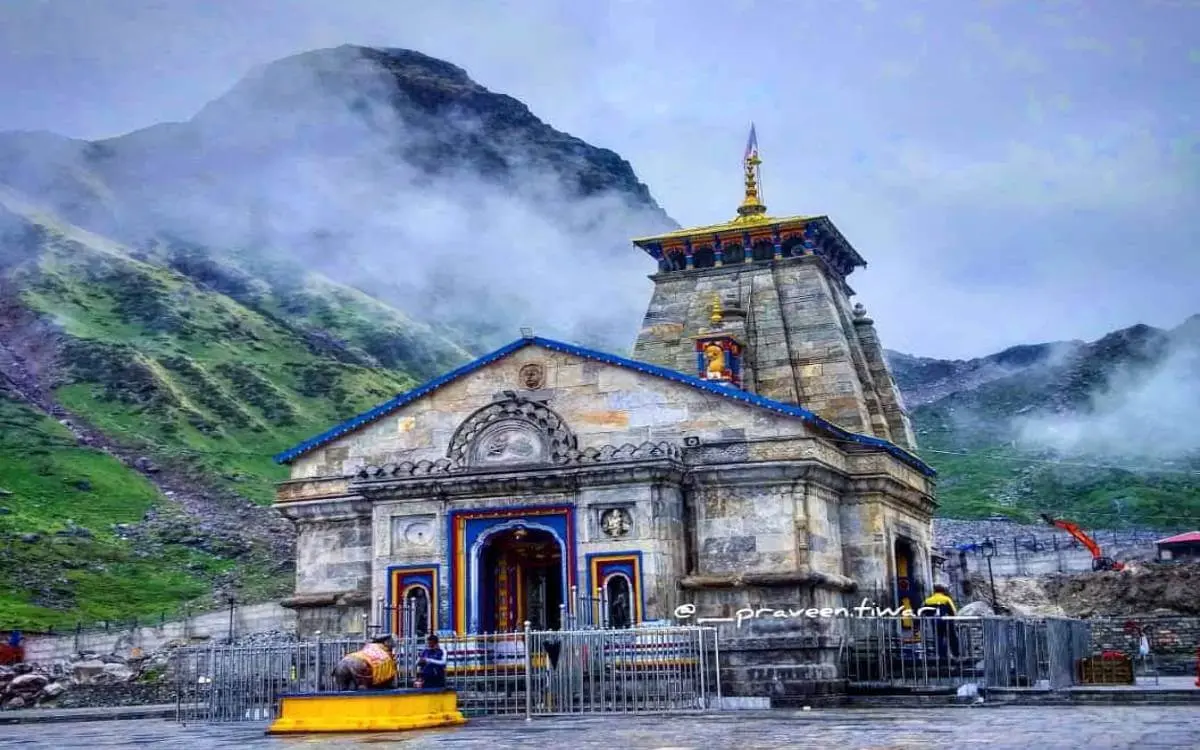
Kedarnath Temple is a prominent Hindu shrine dedicated to Lord Shiva, located in the Garhwal Himalayan range of Uttarakhand. It is one of the twelve Jyotirlingas and a primary site in the Chota Char Dham pilgrimage circuit. The temple sits at an elevation of 3,583 meters (11,755 feet) near the Mandakini River, making it the highest and most remote of the Jyotirlinga sites.
Visitors must plan their trip carefully as the temple is only accessible for six months of the year due to extreme weather conditions. Reaching the temple requires a 16 km uphill trek from Gaurikund or a helicopter ride from nearby helipads. Because of the high altitude, pilgrims often face physical challenges including altitude sickness and sudden temperature drops.
Quick Facts
| Field | Details |
|---|---|
| Deity | Lord Shiva (Kedarnath) |
| Location | Rudraprayag district, Uttarakhand |
| State | Uttarakhand |
| Temple Type | Jyotirlinga; Char Dham |
| Nearest Metro/Station | Haridwar (210 km) or Rishikesh (216 km) |
| Nearest Airport | Jolly Grant Airport, Dehradun (239 km) |
| Entry Fee | Free |
| Timings | 4:00 AM to 9:00 PM (Closed 3:00 PM to 5:00 PM) |
| Best Months | May, June, September, October |
| Avoid | July and August (Monsoon/Landslides) |
| Altitude | 3,583 m (11,755 feet) |
| Open Season | May (Akshaya Tritiya) to November (Kartik Purnima) |
History and Background
The origins of Kedarnath Temple are rooted in the Mahabharata. According to Hindu tradition, the Pandavas sought Lord Shiva to atone for the sins of the Kurukshetra war. Shiva, wishing to avoid them, took the form of a bull and hid in the ground at Kedarnath. When Bhima tried to catch him, the bull dived into the earth, leaving its hump on the surface. This hump is the natural rock formation worshipped in the temple today. The other parts of the bull appeared at four other locations, forming the Panch Kedar circuit.
Historical records suggest the original temple was built by the Pandavas. However, the current structure is credited to Adi Shankaracharya, the 8th-century philosopher who revived many Hindu sites across India. He is said to have attained Samadhi (final liberation) behind the temple. The temple has stood for over a thousand years, surviving harsh winters and seismic activity. Geological studies indicate that the temple was buried under snow for nearly 400 years during a "Little Ice Age" between the 13th and 17th centuries, yet it remained structurally sound.
In June 2013, a massive cloudburst and flash flood devastated the town of Kedarnath. While thousands of buildings were destroyed and many lives were lost, the temple building survived almost entirely intact. A massive boulder, now known as the Bheem Shila, rolled down the mountain and stopped directly behind the temple. This rock diverted the flow of water and debris around the sides of the structure, protecting it from the full force of the flood. This event is frequently cited by devotees as a sign of the temple's resilience.
The Deity and Significance
The main deity is Lord Shiva, worshipped here as Kedarnath, which means "Lord of the Field." The name is derived from the Sanskrit words "Kedara" (field) and "Natha" (lord). In this context, the "field" refers to the place where the "crop of liberation" is grown. Pilgrims visit this site seeking moksha (liberation from the cycle of birth and death).
The linga inside the sanctum is unique because it is not a carved stone. It is a natural, irregular rock formation that resembles the hump of a bull. This distinguishes Kedarnath from other Jyotirlingas where the linga is typically a cylindrical carved stone. As the 5th of the 12 Jyotirlingas, it holds a high status in Shaivism. It is also the most significant of the Panch Kedar temples. The spiritual importance is amplified by its location in the "Land of the Gods" (Devbhoomi), where the environment itself is considered conducive to meditation and penance.
What You'll See
The temple is built in the Nagara style of architecture using massive, evenly shaped grey stone slabs. These stones are joined using an interlocking technique without the use of mortar or cement. This construction method has allowed the building to withstand extreme weather and earthquakes for centuries. The temple features a small hall (Mandapa) and an inner sanctum (Garbhagriha).
Outside the main entrance, you will see a large stone statue of Nandi, the bull and vehicle of Lord Shiva, facing the sanctum. The exterior walls are relatively plain but the doorway is carved with figures of various deities and scenes from Hindu mythology. Inside the Mandapa, there are statues of the five Pandava brothers, Draupadi, Lord Krishna, and other deities. The ceiling and pillars are sturdy and functional, designed to support the heavy stone roof against the weight of winter snow. Behind the temple, you can see the Bheem Shila, the boulder that protected the temple during the 2013 floods. The backdrop of the temple is dominated by the Kedarnath peak (6,940 m) and the Kedar Dome (6,831 m), which provide a stark, grey and white landscape.
Darshan — How It Works
The darshan process at Kedarnath can be long and physically demanding. The temple typically opens at 4:00 AM for morning rituals. General public darshan usually begins around 5:00 AM or 6:00 AM. During the peak months of May and June, queues can start forming as early as 2:00 AM. On a standard weekday, the wait time for darshan is between 3 to 5 hours. During weekends or festivals, this can extend to 8 or 10 hours.
The temple closes for a break between 3:00 PM and 5:00 PM. During this time, no one is allowed inside. It reopens for evening darshan and the Shringar Aarti, which takes place around 7:30 PM. The temple finally closes for the night at 9:00 PM.
Pilgrims can book special pujas through the Shri Badrinath-Kedarnath Temple Committee (BKTC). These include the Maha Abhishek, Rudra Abhishek, and evening Aarti. Prices for these pujas range from ₹1,000 to over ₹25,000 depending on the complexity and number of participants. Booking these often allows for a slightly closer view of the deity, but it does not always bypass the main queue for entry into the temple grounds. There is a separate queue for senior citizens and the physically challenged, though the facilities for this are limited due to the remote terrain.
Festival and Crowd Calendar
| Month | Crowd Level | Main Event / Reason |
|---|---|---|
| January | Zero | Temple closed; deity at Ukhimath. |
| February | Zero | Temple closed; heavy snow. |
| March | Zero | Temple closed; heavy snow. |
| April | Low | Preparation for opening; late April opening possible. |
| May | Extremely High | Opening of the temple (Akshaya Tritiya). |
| June | Extremely High | Peak summer season; school holidays. |
| July | Low | Monsoon season; high risk of landslides. |
| August | Low | Monsoon season; Shravan month brings some devotees. |
| September | Moderate | Post-monsoon; weather clears up. |
| October | High | Second peak season; pleasant weather. |
| November | Moderate | Closing ceremony (Bhai Dooj/Kartik Purnima). |
| December | Zero | Temple closed; heavy snow. |
The most crowded time is the first 15 days after the temple opens in May. Wait times can exceed 10 hours during this period. Another surge occurs during the Shravan month (usually August), though monsoon rains often deter many. The best time for shorter queues is late September or early October, just before the closing. During these weeks, the weather is cold but stable, and the summer rush has subsided.
Getting There
By Train
The nearest railway stations are Haridwar and Rishikesh. Haridwar is better connected to the rest of India. From the station, you must take a bus or taxi to Sonprayag or Gaurikund.
| From | Train Name | Duration | Notes |
|---|---|---|---|
| Delhi | 12017 Dehradun Shatabdi | 6h 0m | Fast and reliable. |
| Mumbai | 12951 Mumbai Rajdhani | 15h 50m | To Delhi; then take Shatabdi. |
| Kolkata | 12327 Upasana Express | 25h 15m | Direct to Haridwar. |
| Chennai | 12615 Grand Trunk Exp | 33h 0m | To Delhi; then take Shatabdi. |
| Ahmedabad | 19031 Yoga Express | 22h 30m | Direct to Haridwar. |
| Bangalore | 22685 Yesvantpur CDG SK | 42h 0m | To Delhi; then take Shatabdi. |
Note: You should book your train tickets well in advance at irctc.co.in.
By Road
The road journey starts from Haridwar or Rishikesh. The route follows NH58 and NH109.
- Haridwar to Sonprayag: 235 km (approx. 10-12 hours).
- Rishikesh to Sonprayag: 210 km (approx. 9-11 hours).
The road is narrow and winding. During the monsoon (July-August), landslides are common, and roads can be blocked for days. Private taxis and state-run buses (UTC) operate regularly. From Sonprayag, you must take a local shuttle (₹30-50) to Gaurikund, which is the starting point of the trek.
By Air
The nearest airport is Jolly Grant Airport in Dehradun (239 km from Kedarnath). From the airport, you can hire a taxi to reach Sonprayag. The drive takes about 10 hours.
By Helicopter
Helicopter services are the most convenient way to reach the temple. They operate from Phata, Sirsi, and Guptkashi.
- Booking: Must be done through the official IRCTC Heli Yatra website.
- Price: Approximately ₹5,500 to ₹8,000 for a round trip.
- Duration: 10-15 minutes flight time.
Seats sell out months in advance, often within minutes of the booking window opening.
Where to Stay
Accommodation at the Kedarnath base (near the temple) is basic. There are no luxury hotels here.
- Budget: GMVN (Garhwal Mandal Vikas Nigam) tents and dormitories. Prices range from ₹600 to ₹1,200 per bed. These are the most reliable options.
- Mid-range: Private guest houses and cottages near the temple. Prices range from ₹2,500 to ₹5,000 per night. Facilities are minimal, often with shared bathrooms and limited hot water.
- Best Overall: Staying at Guptkashi or Phata is recommended if you are taking a helicopter. These towns have better hotels (₹3,000-₹6,000) and more food options. If you are trekking, staying at Lincholi (4 km before the temple) can help you reach the temple early the next morning.
What You Can't Miss Nearby
- Bhairav Temple: Located 500 meters uphill from the main temple. Lord Bhairav is considered the guardian of the valley during the winter months. The view of the Kedarnath valley from here is very clear.
- Vasuki Tal: A high-altitude lake located 8 km from Kedarnath. It is a difficult trek involving steep climbs and glacier crossings. It is known for its blue waters and views of the Chaukhamba peaks.
- Chorabari Tal (Gandhi Sarovar): Located 3 km from the temple. This lake was the source of the 2013 floods. It is a relatively easy trek from the temple, though the path can be rocky.
- Shankaracharya Samadhi: Located directly behind the Kedarnath Temple. This is the final resting place of Adi Shankaracharya. A new statue and underground chamber were inaugurated here recently.
- Triyuginarayan Temple: Located about 25 km from Sonprayag by road. This is the site where Lord Shiva and Goddess Parvati are said to have married. An eternal flame has been burning here for centuries.
- Gaurikund: The base of the trek. It has a natural hot water spring where pilgrims traditionally bathe before starting their journey.
Practical Information
| Item | Estimated Cost / Rule |
|---|---|
| Pony / Mule | ₹2,500 to ₹5,000 (Round trip from Gaurikund) |
| Palanquin (Dandi) | ₹8,000 to ₹12,000 (Round trip) |
| Porter (Pithu) | ₹1,500 to ₹3,000 (Depending on weight) |
| Average Meal | ₹200 to ₹400 per person |
| Dress Code | No strict code, but modest clothing is required. Heavy woolens are essential. |
| Photography | Prohibited inside the sanctum. Allowed in the temple complex. |
| Lockers | Available near the temple for a small fee. |
| Toilets | Public toilets are available along the trek and near the temple. |
What to bring:
- Valid ID (Aadhar Card) and Yatra Registration (mandatory).
- Portable oxygen cylinders (available at medical camps if needed).
- High-quality rain gear (ponchos are better than umbrellas).
- Sturdy trekking shoes with good grip.
- Personal medications for fever, stomach issues, and altitude sickness (Diamox, after consulting a doctor).
Frequently Asked Questions
Is there an entry fee for Kedarnath Temple?
No, entry to the temple is free for everyone. You only need to pay if you wish to perform specific pujas or rituals through the temple committee.
What are the darshan timings?
The temple is open from 4:00 AM to 9:00 PM. It remains closed for a break between 3:00 PM and 5:00 PM.
Is there a specific dress code?
There is no formal dress code like in some South Indian temples. However, you must wear warm clothes because of the cold. Avoid wearing revealing clothing out of respect for the site.
Can I take photos inside the temple?
Photography and video recording are strictly prohibited inside the inner sanctum. You can take photos of the temple exterior and the surrounding mountains.
When is the best time to visit?
The best months are May, June, September, and October. Avoid the monsoon months of July and August due to the high risk of landslides and floods.
How do I reach Kedarnath?
You must travel to Haridwar or Rishikesh by train, then drive to Sonprayag. From Gaurikund (near Sonprayag), you must trek 16 km or take a helicopter from Phata/Sirsi.
Is the trek difficult?
Yes, the 16 km trek from Gaurikund is steep and physically demanding. It starts at about 6,500 feet and ends at 11,755 feet. It is not recommended for people with heart or respiratory conditions.
Are there medical facilities available?
There are basic medical camps at Gaurikund, Bheembali, Lincholi, and near the temple. They can handle minor issues and altitude sickness, but serious cases require evacuation to Rishikesh.
Can non-Hindus visit the temple?
Yes, people of all faiths are allowed to visit the temple and the town. However, everyone is expected to follow the rules and maintain the decorum of the site.
Is this one of the 12 Jyotirlingas?
Yes, Kedarnath is the 5th of the 12 Jyotirlingas and is considered the most difficult one to reach.
How do I book a helicopter?
Helicopter tickets must be booked through the official IRCTC Heli Yatra website. You must have a valid Char Dham Yatra registration to book a ticket.
What happened in the 2013 disaster?
A massive flash flood caused by a cloudburst destroyed the town. The temple survived because a large rock (Bheem Shila) blocked the debris. The area has since been rebuilt with better infrastructure.
Quick Reference
- Location: Rudraprayag, Uttarakhand.
- Deity: Lord Shiva (Hump-shaped natural rock).
- Altitude: 3,583 meters (11,755 feet).
- Trek Distance: 16 km one-way from Gaurikund.
- Opening: Akshaya Tritiya (May).
- Closing: Bhai Dooj (November).
- Significance: 5th Jyotirlinga and part of Chota Char Dham.
- Transport: Trek, Pony, Palanquin, or Helicopter.
- Registration: Mandatory biometric registration required via Uttarakhand Tourism website.