
Vaishno Devi Temple
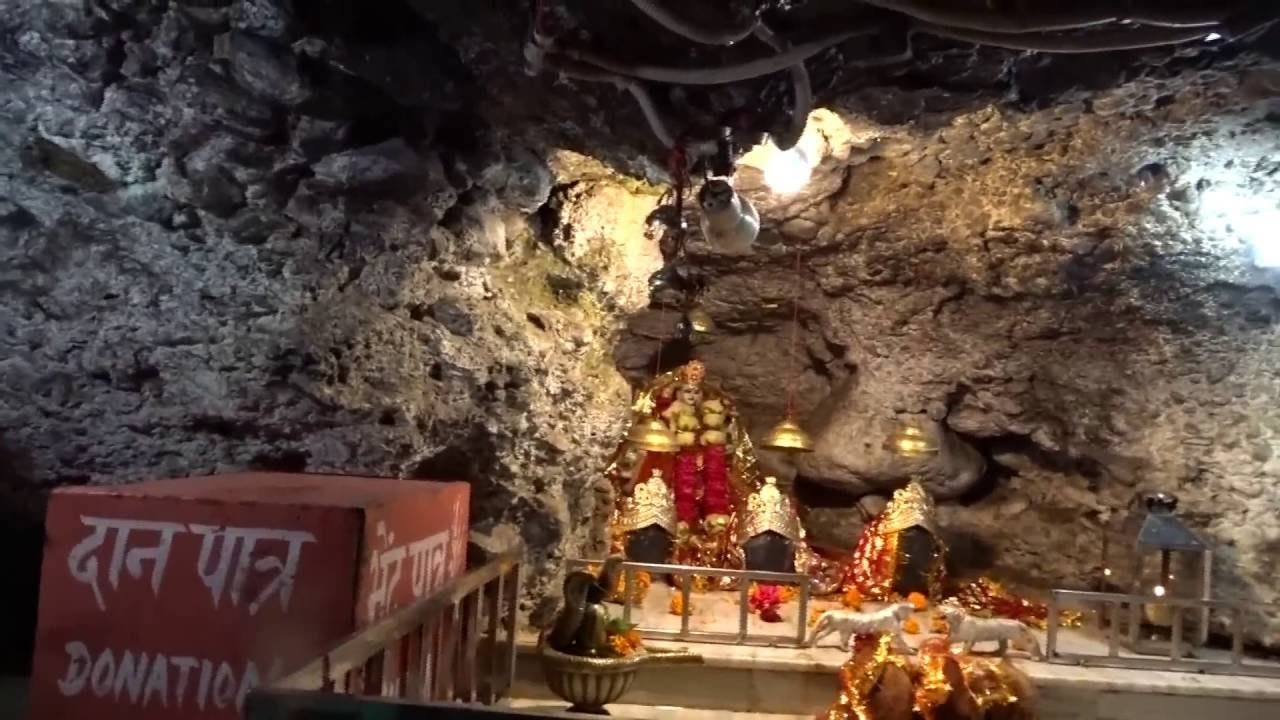
The Vaishno Devi Temple is a major Hindu cave shrine located in the Trikuta Hills of Jammu and Kashmir. It is dedicated to Goddess Vaishno Devi, a unified form of Mahalakshmi, Mahasaraswati, and Mahakali, and is recognized as one of the 52 Shakti Peethas. The temple is the second most visited pilgrimage site in India, following the Tirupati Balaji Temple, and attracts over 8 million devotees annually.
The shrine is situated at an altitude of 5,300 feet (1,615 meters) near the town of Katra. To reach the cave, pilgrims must undertake a 13 km uphill trek from the Katra base camp. Because of the high altitude and steep terrain, visitors should prepare for varying weather conditions and physical exertion. A mandatory registration process, known as the Yatra Slip, must be completed before starting the journey.
Quick Facts
| Field | Details |
|---|---|
| Deity | Goddess Vaishno Devi (Mahalakshmi, Mahasaraswati, Mahakali) |
| Location | Trikuta Hills, Katra, Reasi District |
| State | Jammu and Kashmir |
| Temple Type | Shakti Peetha |
| Nearest Metro/Station | Katra Railway Station (SVDK) |
| Nearest Airport | Jammu Airport (IXJ) |
| Entry Fee | Free (Registration/RFID card mandatory) |
| Timings | 24 Hours (Closed during Aarti) |
| Best Months | March to June, September to October |
| Avoid | July-August (Monsoon), December-January (Extreme Cold/Snow) |
| Altitude | 5,300 feet (1,615 meters) |
History and Background
The origins of the Vaishno Devi Temple are found in ancient Hindu texts and local oral traditions. While the exact date of the cave's discovery is unknown, the Mahabharata mentions the Pandavas visiting the Trikuta Hills. Arjuna is said to have prayed to the Goddess here for victory before the Kurukshetra war. Geologists suggest the cave is millions of years old, but its history as a popular pilgrimage site became more documented over the last 700 years.
A central figure in the temple's history is Pandit Sridhar, a Brahmin priest who lived about seven centuries ago. According to local accounts, the Goddess appeared to him in a dream and guided him to the hidden cave in the mountains. Sridhar discovered the three natural rock formations, or Pindis, which are worshipped today. His descendants continued to serve as priests at the shrine for generations.
In the modern era, the management of the temple underwent a major change. Before 1986, the shrine was managed by local priests and private groups, and the infrastructure was limited. The Jammu and Kashmir government passed the Shri Mata Vaishno Devi Shrine Act in 1986,