
Omkareshwar Temple
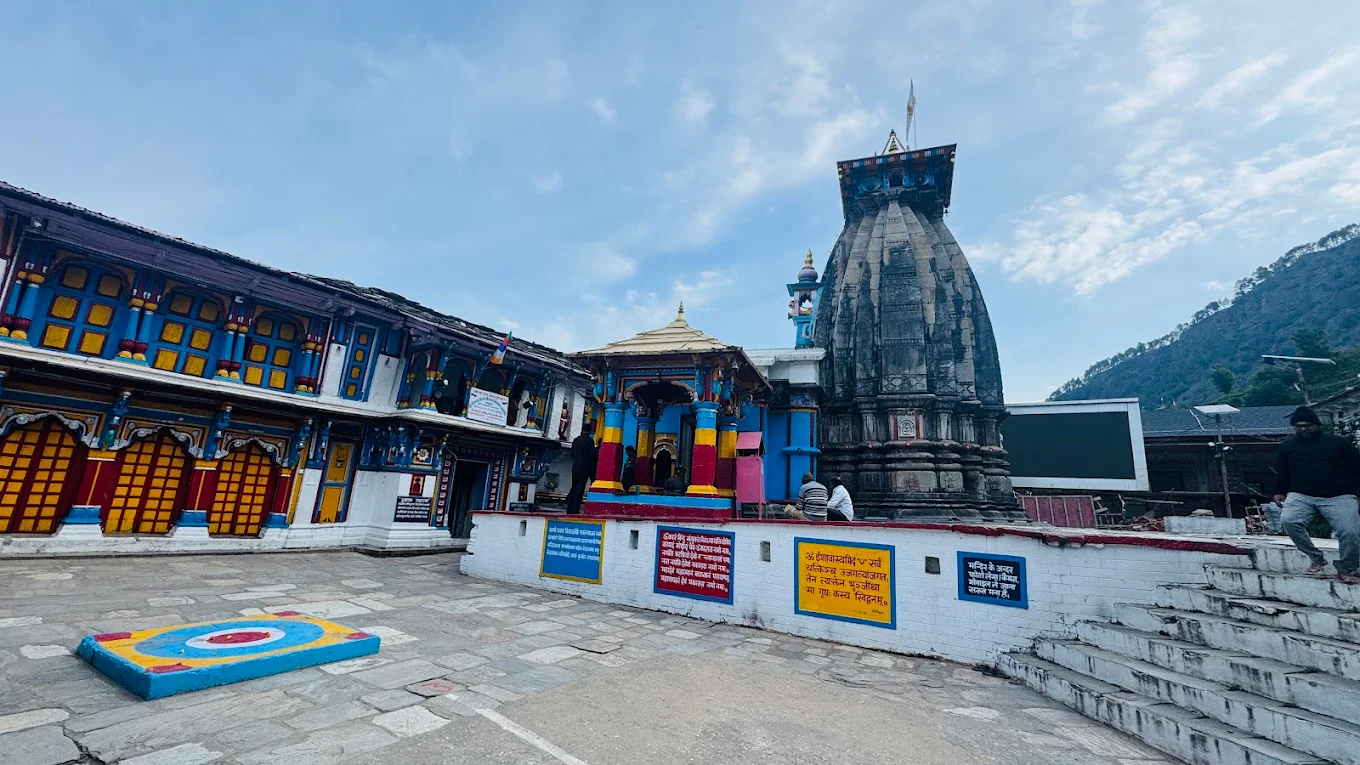
Omkareshwar Temple is one of the 12 Jyotirlingas dedicated to Lord Shiva. It is located on Mandhata Island, which sits in the Narmada River in the Khandwa district of Madhya Pradesh. This site is unique because it consists of two separate temples, Omkareshwar and Mamleshwar, which are together counted as a single Jyotirlinga.
The island itself is shaped like the Sanskrit symbol "Om" when viewed from above. This natural formation makes it a major center for pilgrims, especially those performing the Narmada Parikrama. Visitors should prepare for significant walking and potential boat travel to reach the various shrines on the island.
Quick Facts
| Field | Details |
|---|---|
| Deity | Lord Shiva (Omkareshwar and Mamleshwar) |
| Location | Mandhata Island, Narmada River, Khandwa District |
| State | Madhya Pradesh |
| Temple Type | Jyotirlinga (4th of 12) |
| Nearest Metro/Station | Omkareshwar Road (12 km) or Khandwa Junction (80 km) |
| Nearest Airport | Devi Ahilya Bai Holkar Airport, Indore (77 km) |
| Entry Fee | Free (Paid darshan options available) |
| Timings | 5:00 AM to 10:00 PM |
| Best Months | October to March |
| Avoid | Peak Monsoon (July-August) and Maha Shivaratri (for crowds) |
History and Background
The history of Omkareshwar Temple is tied to ancient Hindu texts and various ruling dynasties of Central India. The Skanda Purana, Vayu Purana, and Shiva Purana all mention the significance of this site. According to these texts, the island was originally known as Mandhata after King Mandhata of the Ikshvaku clan, an ancestor of Lord Rama. The king performed intense penance here, prompting Lord Shiva to manifest as a Jyotirlinga.
Archaeological evidence suggests that the site has been a place of worship for over a millennium. The core structures of the current temple complex show influences from the Paramara dynasty, who ruled the region between the 9th and 14th centuries. During this period, the temple was a major center for the Pashupata sect of Shaivism. The architecture from this era is characterized by detailed stone carvings and the Nagara style of construction.
In the medieval period, the temple faced damage during various invasions. However, it was consistently rebuilt and maintained by local rulers. The most significant modern renovations occurred during the 18th century under the Maratha Empire. Queen Ahilyabai Holkar of Indore, known for her extensive temple restoration work across India, contributed significantly to the upkeep and expansion of the Omkareshwar and Mamleshwar shrines. She established daily rituals and funded the priests, ensuring the temple remained a functional pilgrimage site.
The geography of the area changed significantly in 2007 with the completion of the Omkareshwar Dam downstream. The dam raised the water levels of the Narmada River, altering the appearance of the island and the surrounding ghats. While some older structures were submerged or moved, the main temples remain on higher ground. Today, the temple is managed by a trust that oversees the daily administration and the large influx of pilgrims during festivals.
The Deity and Significance
The primary deity at this site is Lord Shiva, worshipped here as Omkareshwar, which means "Lord of the Om sound." The significance of this temple lies in its dual nature. Unlike other Jyotirlinga sites that have one main linga, this site has two: Omkareshwar on the island and Mamleshwar (also known as Amareshwar) on the south bank of the Narmada. Tradition dictates that the pilgrimage is incomplete without visiting both.
Pilgrims come to Omkareshwar seeking spiritual liberation and the fulfillment of vows. The site is particularly important for those performing the Narmada Parikrama, a 1,312 km circumambulation of the river. For these pilgrims, Omkareshwar serves as a major milestone where they offer prayers to the river and the deity.
The mythology of the site includes the story of the Vindhya Mountains. It is said that the deity of the Vindhya range performed penance here to gain superiority over the Himalayas. Shiva appeared and granted the wish but divided himself into two parts—Omkareshwar and Mamleshwar—to ensure the spiritual balance of the region. Another legend involves the sage Narada, who encouraged the Vindhyas to seek Shiva's blessing at this specific spot. The presence of the Narmada River, which is believed to have been born from Shiva's sweat, adds to the spiritual weight of the location.
What You'll See
The Omkareshwar Temple is a multi-story structure built in the North Indian Nagara style. The temple features a massive shikhara (spire) with intricate carvings. The building is constructed primarily of soft sandstone, which has allowed for detailed sculptural work on the pillars and exterior walls. The temple is divided into several levels, with the main sanctum housing the Jyotirlinga located on the ground floor.
The pillars in the assembly hall (Sabha Mandap) are a major architectural highlight. They are heavily carved with figures of deities, celestial beings, and floral patterns. Unlike many other temples where the linga is placed in the center of the sanctum, the Omkareshwar linga is situated to one side, and water is constantly poured over it by priests and devotees.
On the south bank, the Mamleshwar Temple presents a different architectural feel. It is a smaller, more compact complex that retains much of its medieval character. The stone work here is considered by some historians to be more refined than the main island temple. The Mamleshwar complex includes several smaller shrines dedicated to various deities in the Hindu pantheon.
Visitors will also see the Adi Shankaracharya Cave. This is the location where the famous philosopher is said to have met his guru, Govindapada, and lived for several years. The cave is located beneath the main temple complex and is a quiet spot for meditation. Additionally, the island is dotted with other ruins and smaller temples, such as the Siddhanath Temple, which showcases 14th-century architectural styles with large elephant carvings at its base.
Darshan — How It Works
The darshan process at Omkareshwar involves crossing the Narmada River. You can reach the island by walking across the "Jhula Pul" (suspension bridge) or by taking a local boat. The bridge is the most common route for those on foot.
Once you reach the island, you enter a queue system. On a standard weekday, the wait time for darshan is usually between 45 minutes and 90 minutes. During weekends or minor festivals, this can increase to 3 or 4 hours. During major events like Maha Shivaratri or the month of Shravan, queues can last for 10 hours or more.
There are two main types of darshan:
- General Queue: This is free of charge. You follow the barricaded path that leads through the various levels of the temple to the main sanctum.
- Special/VIP Darshan: The temple trust often provides a faster entry ticket, usually costing between ₹100 and ₹300 per person. This allows you to bypass the main crowd and enter through a shorter queue.
Inside the sanctum, the space is small. You will get approximately 10 to 30 seconds in front of the linga before the security staff moves the line forward. You are allowed to touch the linga in some sessions, but during high-crowd periods, you may only be allowed to view it from a distance.
Special pujas like Abhishek or Aarti can be booked at the temple office. Prices for these rituals range from ₹500 to ₹5,000 depending on the complexity and the number of priests involved. There is a separate counter for booking these services. For elderly or disabled visitors, there are ramps in some areas, but the island's terrain is uneven, and the temple has many stairs. It is advisable to hire a local doli (palanquin) service if walking is an issue.
Festival and Crowd Calendar
| Month | Crowd Level | Main Event / Reason |
|---|---|---|
| January | Moderate | Winter pilgrims and New Year visitors |
| February | Very High | Maha Shivaratri (Major festival) |
| March | Moderate | Holi and spring pilgrims |
| April | Moderate | Chaitra Navratri |
| May | High | Summer vacations and school holidays |
| June | Moderate | Pre-monsoon visitors |
| July | Very High | Shravan Month (Shiva's holy month) |
| August | Very High | Shravan Month and Raksha Bandhan |
| September | Moderate | Ganesh Chaturthi and monsoon scenery |
| October | High | Navratri and Diwali holidays |
| November | High | Kartik Purnima (Major local fair) |
| December | High | Winter break and year-end travelers |
Most Crowded Events:
- Maha Shivaratri (Feb/March): This is the busiest day of the year. Expect wait times of 12-15 hours. The entire town of Omkareshwar becomes a pedestrian zone.
- Shravan Mondays (July/August): Every Monday during the month of Shravan attracts tens of thousands of devotees. Wait times are usually 6-8 hours.
- Kartik Purnima (November): A large fair (mela) is held, attracting rural pilgrims from across Madhya Pradesh.
Best Times for Short Queues:
- Tuesdays to Thursdays in January or September: These are generally the quietest days.
- Non-holiday weekdays in July (before Shravan starts): The weather is rainy, but the crowds are manageable.
Getting There
By Train
The nearest railway station is Omkareshwar Road (station code: OM), but it is a small station with limited connectivity. Most long-distance travelers use Khandwa Junction or Indore Junction.
| From | Train Name | Duration | Notes |
|---|---|---|---|
| Mumbai | 12322 Kolkata Mail | 9-10 hours | To Khandwa Junction |
| Delhi | 12628 Karnataka Express | 14-15 hours | To Khandwa Junction |
| Indore | Local Passenger | 2.5-3 hours | To Omkareshwar Road |
| Bhopal | 12154 Rani Kamlapati Exp | 3-4 hours | To Khandwa Junction |
| Bangalore | 12627 Karnataka Express | 30-32 hours | To Khandwa Junction |
| Ahmedabad | 12947 Azimabad Express | 10-11 hours | To Khandwa Junction |
Note: Always book tickets in advance via irctc.co.in. From Khandwa or Omkareshwar Road, you can take a bus or taxi to reach the temple.
By Road
Omkareshwar is well-connected by road to major cities in Madhya Pradesh.
- From Indore: 77 km via SH 27. The road is generally in good condition, taking about 2.5 to 3 hours.
- From Ujjain: 135 km. Many pilgrims visit Mahakaleshwar and Omkareshwar together. The drive takes about 4 hours.
- From Khandwa: 70 km. This is a common route for those arriving by train.
Warning: During the monsoon season (July-September), the roads can be slippery, and the ghat sections require careful driving.
By Air
The nearest airport is Devi Ahilya Bai Holkar Airport (IDR) in Indore, located about 77 km away. It has direct flights from Delhi, Mumbai, Bangalore, Hyderabad, and Ahmedabad. From the airport, you can hire a private taxi directly to Omkareshwar, which costs approximately ₹2,500 to ₹3,500.
Where to Stay
Accommodation in Omkareshwar ranges from basic dharamshalas to mid-range hotels.
- Budget: Many dharamshalas and guest houses are located near the bus stand and the Jhula Pul. Prices range from ₹500 to ₹1,200 per night. Facilities are basic, often with shared or simple private bathrooms.
- Mid-Range: There are several private hotels on the mainland (Omkareshwar town side) offering AC rooms and better amenities. Prices range from ₹2,000 to ₹4,500.
- Best Overall Option: Narmada Retreat (MP Tourism). This is a government-run property located on the banks of the river. It offers clean rooms, a restaurant, and a good view of the river. Prices are usually between ₹3,500 and ₹6,000.
Note: Staying in Indore is an option if you prefer luxury hotels, but it requires a 6-hour round-trip commute. Staying in Omkareshwar is recommended to experience the morning and evening aartis.
What You Can't Miss Nearby
- Mamleshwar Temple: Located on the south bank, just a short walk from the river crossing. It is the second half of the Jyotirlinga and features beautiful ancient stone architecture.
- Siddhanath Temple: Situated on a plateau on the island. It is a 14th-century structure known for its impressive plinth and carvings of elephants.
- Adi Shankaracharya Cave: Located near the main temple entrance. It is a quiet, underground space where the philosopher is said to have studied.
- 24 Avatars Temples: A cluster of Hindu and Jain temples on the island dating back to the 11th century. They offer a look at the diverse religious history of the site.
- Kajal Rani Cave: Located about 9 km from the temple. It is a scenic spot that offers a wide view of the Narmada River and the surrounding valley.
- Omkareshwar Dam: A massive hydroelectric project. While you cannot enter the powerhouse, the view of the reservoir from the nearby hills is impressive.
Practical Information
| Item | Details |
|---|---|
| Approximate Cost | ₹1,500 - ₹3,000 per day (including food, local transport, and basic stay) |
| Dress Code | Modest clothing required. Shoulders and knees should be covered. No specific color requirements. |
| Photography | Prohibited inside the main sanctum. Allowed in the temple courtyards and outside. |
| Lockers | Available near the temple entrance for a small fee (₹20-50). |
| Food | Simple vegetarian food is available at local eateries. Avoid street food if you have a sensitive stomach. |
| Toilets | Public toilets are available near the bus stand and temple complex, but hygiene levels vary. |
| Wheelchair Access | Very limited. The island has many steps and steep slopes. |
| What to Bring | Comfortable walking shoes, a reusable water bottle, and a small bag for offerings. |
Frequently Asked Questions
Is there an entry fee for Omkareshwar Temple?
No, entry to the temple is free for everyone. However, if you wish to use the VIP or fast-track darshan line, there is a fee usually ranging from ₹100 to ₹300.
What are the darshan timings?
The temple generally opens at 5:00 AM and closes at 10:00 PM. There is a short closure in the afternoon (usually between 12:00 PM and 1:00 PM) for bhog and cleaning.
Is there a specific dress code?
While there is no strict uniform, you must dress modestly. Men usually wear dhotis or trousers, and women wear sarees or salwar kameez. Avoid wearing shorts or sleeveless tops.
Can I take photos inside the temple?
Photography and videography are strictly prohibited inside the inner sanctum where the linga is located. You can take photos of the temple exterior and the surrounding island.
When is the best time to visit?
The best time is during the winter months, from October to March, when the weather is pleasant for walking. Avoid the peak of summer (April-June) as it becomes very hot.
How do I reach the temple from Indore?
You can take a bus from the Sarwate Bus Stand in Indore or hire a private taxi. The journey takes about 3 hours via the Indore-Khandwa highway.
Is this one of the 12 Jyotirlingas?
Yes, Omkareshwar is the 4th of the 12 Jyotirlingas. It is unique because the Jyotirlinga is split between two temples: Omkareshwar and Mamleshwar.
Can non-Hindus visit the temple?
Yes, people of all faiths are allowed to visit the temple and explore the island. However, everyone must follow the dress code and maintain the decorum of the site.
How long does the parikrama take?
The island parikrama is about 7 km long and takes 2 to 3 hours to complete on foot. The boat parikrama around the island takes about 1 hour.
Are there lockers for luggage?
Yes, there are several locker facilities near the Jhula Pul and the temple entrance where you can safely store your bags and shoes.
Is it safe to bathe in the Narmada River?
Yes, there are designated ghats for bathing. However, be cautious of the water current, especially during the monsoon season when the dam may release water.
Can I visit both Omkareshwar and Ujjain in one trip?
Yes, this is very common. Ujjain is about 135 km from Omkareshwar. Most travelers spend one day in Ujjain and then travel to Omkareshwar the next day.
Quick Reference
- Main Deity: Lord Shiva as Omkareshwar and Mamleshwar.
- Significance: One of the 12 Jyotirlingas; island shaped like the "Om" symbol.
- Location: Mandhata Island, Madhya Pradesh.
- Nearest Airport: Indore (77 km).
- Nearest Major Railhead: Khandwa (80 km) or Indore (77 km).
- Best Time: October to March for pleasant weather.
- Key Ritual: Crossing the Narmada River and visiting both shrines.
- Major Event: Maha Shivaratri and the month of Shravan.
- Pro Tip: Use the suspension bridge to reach the island and take a boat for the return journey to see the temple from the water.