
Nageshwar Jyotirlinga Temple
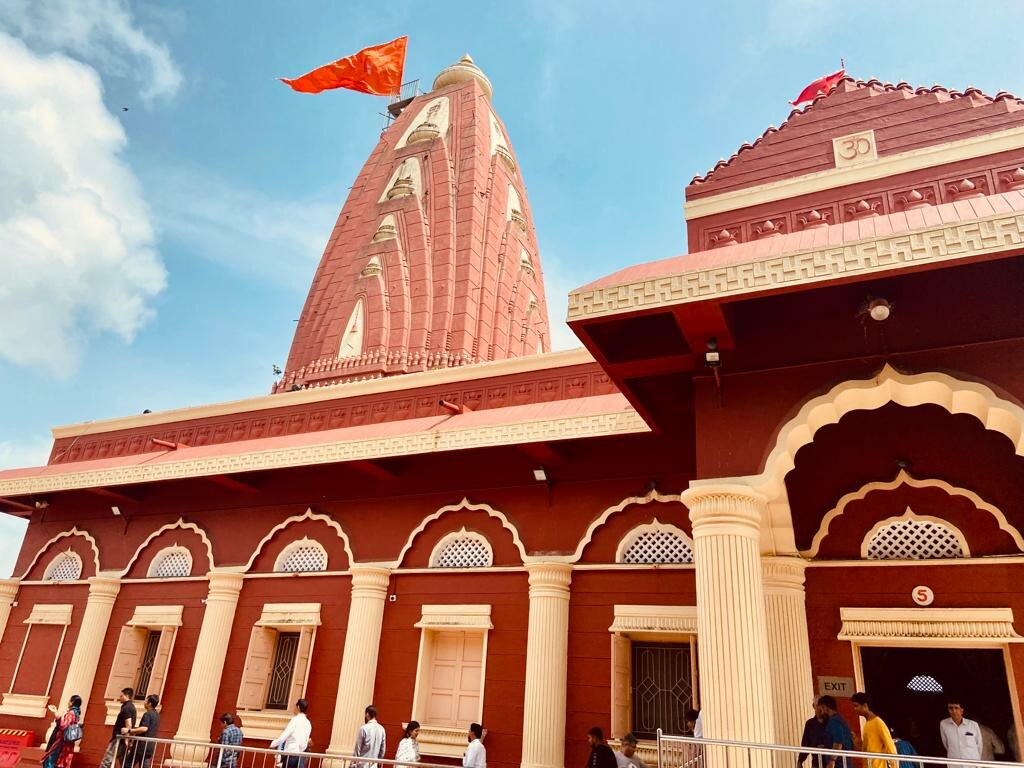
Nageshwar Jyotirlinga Temple is a major Hindu pilgrimage site dedicated to Lord Shiva. It is recognized as the tenth of the twelve Jyotirlingas, which are considered the most powerful shrines of Shiva in India. The temple is located on the coast of Saurashtra in Gujarat, specifically between the city of Dwarka and the island of Bet Dwarka. It is a key stop for pilgrims completing the Dwarka circuit and those following the Jyotirlinga trail across the country.
The temple is known for its large 25-metre tall seated statue of Lord Shiva, which is visible from a distance across the flat coastal landscape. Pilgrims visit this site to offer prayers to Nageshwar, the "Lord of Serpents," seeking protection from poisons and negative energies. The site is easily accessible by road from Dwarka, and most visitors combine their visit with the Dwarkadhish Temple and a boat trip to Bet Dwarka.
Quick Facts
| Detail | Info |
|---|---|
| Deity | Lord Shiva (Nageshwar) |
| Location | Darukavana, near Dwarka, Devbhoomi Dwarka district |
| State | Gujarat |
| Temple Type | Jyotirlinga (10th of 12) |
| Nearest Metro/Station | Dwarka Railway Station (18 km) |
| Nearest Airport | Jamnagar Airport (145 km) |
| Entry Fee | Free (Paid options for specific pujas) |
| Timings | 6:00 AM to 12:30 PM and 5:00 PM to 9:00 PM |
| Best Months | October to March |
| Avoid | Peak Summer (April to June) due to extreme heat |
History and Background
The history of Nageshwar Jyotirlinga is rooted in the Shiva Purana, one of the primary texts of Shaivism. The text describes the location of this Jyotirlinga in a forest called Darukavana. According to the Puranic accounts, this forest was the residence of a demon named Daruka and his wife Daruki. The demons imprisoned a group of Shiva devotees, including a merchant named Supriya. While in captivity, Supriya continued to chant the Shiva mantra and perform rituals. When Daruka attempted to kill Supriya for his devotion, Lord Shiva appeared from the earth and destroyed the demons. Shiva then manifested as a Jyotirlinga at this spot to protect his followers.
There is a long-standing debate among scholars and religious leaders regarding the exact location of the "original" Nageshwar Jyotirlinga mentioned in the scriptures. Three main sites claim this status: the Nageshwar temple near Dwarka in Gujarat, the Aundha Nagnath temple in Maharashtra, and the Jageshwar temple in Uttarakhand. The Gujarat site is widely accepted by many as the Darukavana mentioned in the Shiva Purana because of its coastal location and historical association with the Dwarka region.
The current temple structure is relatively modern. While the site has been a place of worship for centuries, the previous structures were small and weathered by the coastal air. The modern temple complex was largely funded and renovated by the late Gulshan Kumar, the founder of T-Series, in the late 20th century. His contribution transformed the site from a modest shrine into a large complex capable of handling thousands of pilgrims daily. The renovation included the construction of the massive Shiva statue and the expansion of the main hall to accommodate the growing number of devotees visiting the Dwarka-Somnath circuit.
The Deity and Significance
The presiding deity at this temple is Nageshwar, which translates to "Lord of Snakes." In Hindu iconography, Lord Shiva is almost always depicted with a serpent around his neck, symbolizing his control over time, death, and the most dangerous elements of nature. The linga at Nageshwar is unique because it is made of Dwarka Shila (a type of stone found in the region) and has a small silver serpent hood surrounding it.
Pilgrims come to Nageshwar seeking relief from "Nag Dosha" or "Kaal Sarp Dosha," which are astrological conditions believed to cause obstacles in life. Worshiping here is thought to neutralize the effects of poisons, both physical and metaphorical. The significance of this site is heightened by its proximity to Dwarka, the kingdom of Lord Krishna. In the local tradition, it is believed that Krishna himself used to perform worship at this Jyotirlinga. The temple is also unique because the linga faces South, while the Gomugam (the outlet for ritual water) faces East. This orientation is rare in Shiva temples and is considered spiritually significant for those seeking liberation or Moksha.
What You'll See
The architecture of Nageshwar Jyotirlinga Temple is a blend of traditional Hindu temple design and modern construction techniques. The most prominent feature is the 25-metre (80-foot) tall statue of Lord Shiva in a seated meditative posture. This statue is one of the largest in Gujarat and serves as a landmark for travelers approaching the temple. It is painted in bright colors and depicts Shiva with his trident (Trishul) and damru (drum).
The main temple building is constructed from red stone. The Shikhara (temple spire) is not as tall as some ancient temples but is well-proportioned. Inside, the main hall or Mandapa is spacious and features marble flooring. The pillars are carved with various forms of Shiva and other deities. Unlike many older Jyotirlingas where the sanctum is cramped and dark, the Nageshwar sanctum is relatively open and well-lit.
The Jyotirlinga itself is located in a small pit below the floor level of the sanctum. It is a small, dark stone linga. Devotees can see the silver plating and the serpent hood that protects the linga. Around the main temple, there are smaller shrines dedicated to Goddess Parvati and other deities. The temple grounds are flat and open, reflecting the geography of the Saurashtra coast. There is a large pond or "Kund" nearby, though it is not always filled with water depending on the season.
Darshan — How It Works
The darshan process at Nageshwar is generally efficient compared to other Jyotirlingas. There are two main entry points: one for the general public and one for those who have booked special pujas or Abhishek.
On a normal weekday, the queue moves quickly. You can expect to reach the inner sanctum within 30 to 45 minutes. During peak hours (mid-morning), this might extend to 90 minutes. On festival days like Maha Shivratri or during the month of Shravan, the wait time can exceed 4-5 hours.
Once you reach the sanctum, you get a few seconds to stand directly in front of the Jyotirlinga. Security personnel usually keep the line moving. If you wish to perform a detailed Abhishek (ritual bathing of the linga), you must book this in advance at the temple office. The cost for a basic Abhishek starts around ₹500, while more elaborate pujas like the Rudrabhishek can cost between ₹2,100 and ₹5,100.
For the elderly and disabled, there is a separate line or a side entry that bypasses the main zigzag queue. It is advisable to ask the guards at the entrance for assistance. Wheelchairs are usually available near the shoe stand area.
Festival and Crowd Calendar
| Month | Crowd Level | Main Event / Reason |
|---|---|---|
| January | Moderate | Winter pilgrims and school holidays |
| February | Very High | Maha Shivratri (Major festival) |
| March | Moderate | Holi holidays and pleasant weather |
| April | High | Chaitra Navratri and summer vacations start |
| May | High | Peak summer holidays; very hot but crowded |
| June | Moderate | End of summer vacations |
| July | High | Start of Shravan month (Shiva's holy month) |
| August | Very High | Shravan month continues; Mondays are peak |
| September | Moderate | Monsoon season; fewer long-distance travelers |
| October | High | Navratri and Diwali holidays |
| November | High | Post-Diwali travel season |
| December | Moderate | Year-end travelers and winter break |
Most Crowded Events:
- Maha Shivratri (Feb/March): This is the biggest day of the year. Expect wait times of 6-8 hours. The temple remains open throughout the night.
- Shravan Mondays (July/August): Every Monday during the month of Shravan is extremely busy. Wait times are typically 3-4 hours.
- Diwali Break (October/November): Since Gujarat has a strong tradition of traveling during the New Year (after Diwali), the temple sees a massive influx of local pilgrims.
Best Times for Short Queues:
- Mid-week (Tuesday to Thursday) in the months of January or September.
- Early morning darshan at 6:00 AM on any non-festival day usually results in a wait time of less than 20 minutes.
Getting There
By Train
Dwarka is the primary railway hub for this temple. It is well-connected to major cities in India.
| From | Train Name | Duration | Notes |
|---|---|---|---|
| Mumbai | 12267 Rajkot Duronto / 19017 Saurashtra Mail | 14-16 hours | Connect at Rajkot or take direct to Dwarka |
| Delhi | 19566 Uttaranchal Express | 22-24 hours | Weekly service; direct to Dwarka |
| Ahmedabad | 22925 Vande Bharat Express | 6 hours | Fastest option from Ahmedabad |
| Rajkot | 19251 Somnath Express | 4-5 hours | Frequent local and express trains |
| Jaipur | 19574 Jaipur Okha Express | 18-20 hours | Direct to Dwarka |
| Bangalore | 16338 Ernakulam Okha Express | 38-40 hours | Long distance; check weekly schedule |
Note: You should book your tickets through the official portal at irctc.co.in well in advance, especially for the Dwarka route.
By Road
Nageshwar is located about 18 km from Dwarka city. The road is a well-maintained two-lane highway (State Highway 6).
- From Dwarka: 20-30 minutes by car or auto-rickshaw.
- From Jamnagar: 145 km (approx. 3 hours) via NH 947.
- From Somnath: 235 km (approx. 5 hours) via the coastal highway.
The road conditions are generally good. During the monsoon (July-September), there might be some waterlogging on the lower coastal stretches, but the main road to the temple remains accessible.
By Air
The nearest airport is Jamnagar Airport (JMG), located 145 km away. It has regular flights from Mumbai and Hyderabad. From the airport, you can hire a private taxi to Dwarka/Nageshwar, which costs approximately ₹3,500 to ₹4,500. Another option is Porbandar Airport (PBD), about 110 km away, though it has fewer flight connections.
Where to Stay
There are no major hotels immediately adjacent to the Nageshwar Temple. It is highly recommended to stay in Dwarka city and visit the temple as a half-day trip.
- Budget: Many Dharamshalas and Guest Houses are available near the Dwarkadhish Temple in Dwarka. Prices range from ₹500 to ₹1,200 per night.
- Mid-range: Hotels like Hotel Dwarika Inn or VITS Devbhumi offer rooms between ₹2,500 and ₹4,500.
- Best Overall Option: Staying near the Gomti Ghat in Dwarka provides the best access to both the Dwarkadhish temple and the local markets.
- Note: If you are traveling during peak festival seasons, book your accommodation at least 2 months in advance as Dwarka fills up completely.
What You Can't Miss Nearby
- Dwarkadhish Temple (18 km): The main temple of Dwarka dedicated to Lord Krishna. It is a 5-story structure and one of the Char Dham sites.
- Bet Dwarka (35 km): An island believed to be the actual residence of Lord Krishna. You must take a ferry from Okha port to reach it. The boat ride is a significant part of the experience.
- Rukmini Devi Temple (15 km): A small but architecturally beautiful temple dedicated to Krishna's wife. It is famous for its carvings and the story of why it stands outside the main city.
- Gopi Talav (5 km): A pond where the soil is yellow and smooth (Gopi Chandan). Legend says the Gopis came here to meet Krishna.
- Bhadkeshwar Mahadev Temple (19 km): A Shiva temple built on a rock in the Arabian Sea. During high tide, the path to the temple is submerged.
- Okha Port (17 km): The northernmost tip of the Saurashtra peninsula. It serves as the gateway to Bet Dwarka and offers views of the sea and large shipping vessels.
Practical Information
| Item | Requirement / Detail |
|---|---|
| Entry Fee | None |
| Abhishek Cost | ₹500 to ₹5,000 depending on complexity |
| Dress Code | Modest clothing. Men must wear Dhotis for entering the inner sanctum for Abhishek. |
| Photography | Prohibited inside the main sanctum; allowed in the outer grounds. |
| Lockers | Available near the shoe stand for a small fee. |
| Food | Small stalls outside sell snacks and water. No major restaurants on-site. |
| Toilets | Basic public facilities available in the parking area. |
| Wheelchair Access | Available; the temple layout is mostly flat. |
| Best Time to Visit | 6:00 AM to 8:00 AM for a peaceful experience. |
What to bring: Carry a water bottle, a hat or umbrella (the sun is very strong on the coast), and a small bag for your electronics if you plan to leave them in a locker.
Frequently Asked Questions
Is there an entry fee for Nageshwar Jyotirlinga?
No, entry to the temple for general darshan is free of charge. You only pay if you wish to perform specific rituals or pujas.
What are the temple timings?
The temple is open from 6:00 AM to 12:30 PM and reopens from 5:00 PM to 9:00 PM. These timings may be extended during major festivals like Maha Shivratri.
Is there a specific dress code?
For general darshan, there is no strict dress code, but modest clothing is expected. However, if you want to go inside the inner sanctum to perform Abhishek, men are required to wear a dhoti and remain bare-chested on top.
Can I take photos inside the temple?
Photography is strictly prohibited inside the inner sanctum and the main prayer hall. You are allowed to take photos of the large Shiva statue and the temple exterior from the courtyard.
When is the best time to visit Nageshwar?
The best time is between October and March when the weather is cool. The summer months (April to June) are extremely hot and humid due to the coastal location.
How do I get to Nageshwar from Dwarka?
The most common way is to hire an auto-rickshaw or a private taxi from Dwarka. Many pilgrims book a "Dwarka Darshan" bus or taxi package that includes Nageshwar, Gopi Talav, and Bet Dwarka.
Is this one of the 12 Jyotirlingas?
Yes, Nageshwar is officially recognized as one of the 12 Jyotirlingas. It is often listed as the tenth one in the traditional sequence.
Can non-Hindus visit the temple?
Yes, the temple is open to people of all faiths. Visitors are expected to follow the rules regarding photography and conduct.
How much time is needed for a visit?
A typical visit takes about 1 to 2 hours, including the time spent in the queue and walking around the grounds to see the large Shiva statue.
Are there places to eat near the temple?
There are only small tea stalls and snack shops immediately outside the temple. For a proper meal, it is best to return to Dwarka city.
Is it safe to travel to Nageshwar during the monsoon?
Yes, it is generally safe. The roads are paved and well-maintained. However, be prepared for heavy rain and wind as the temple is very close to the sea.
Quick Reference
- Core Significance: 10th Jyotirlinga; Lord of Serpents.
- Key Landmark: 25-metre seated Shiva statue in the courtyard.
- Location: 18 km from Dwarka, Gujarat.
- Primary Festival: Maha Shivratri (February/March).
- Best Stay Location: Dwarka City (18 km away).
- Mandatory Ritual Gear: Dhoti for men performing Abhishek in the sanctum.
- Nearby Hub: Dwarka Railway Station is the main transit point.
- Unique Feature: The Jyotirlinga faces South, which is rare for Shiva temples.