
Jagannath Temple Puri
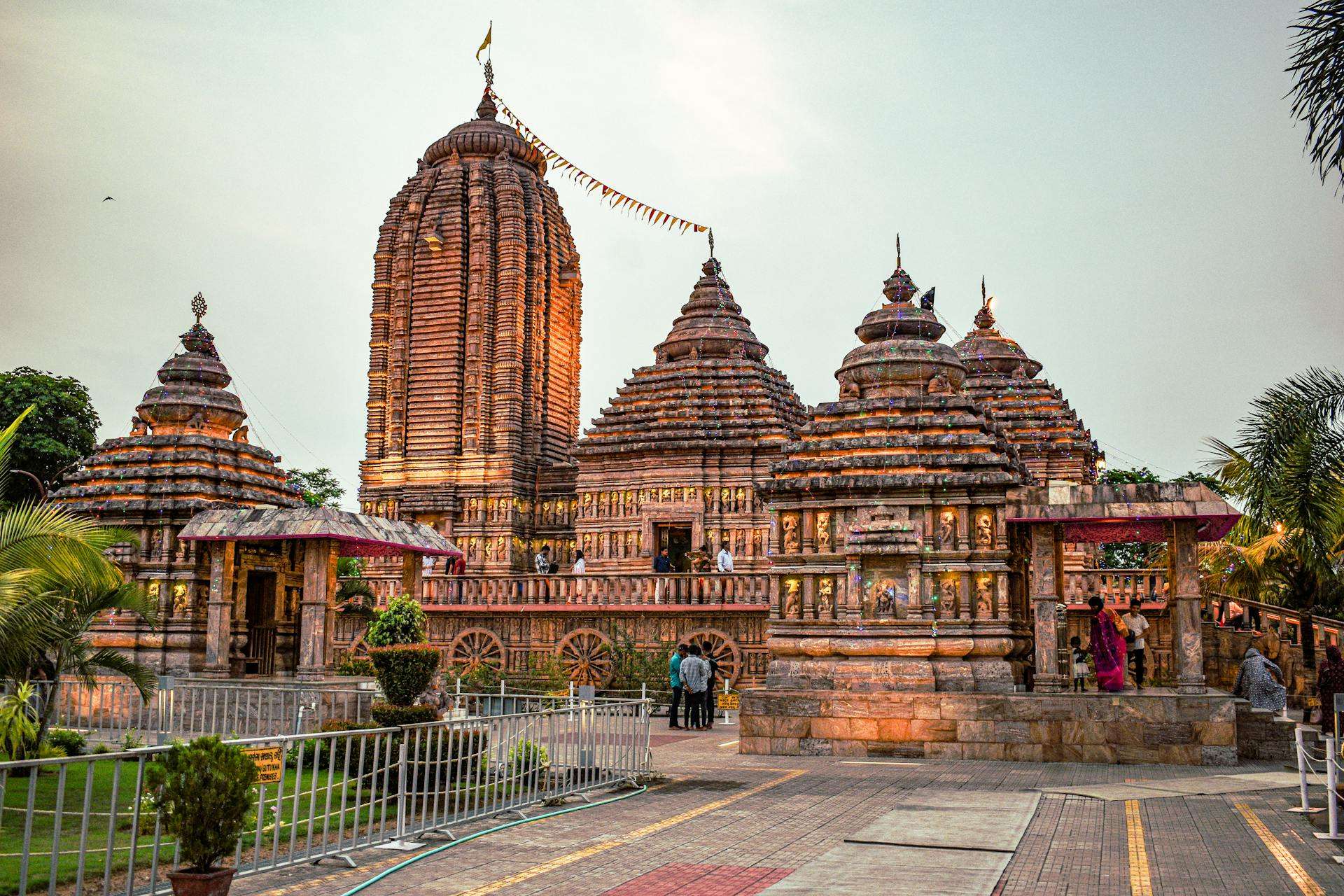
Jagannath Temple in Puri is one of the four most important Hindu pilgrimage sites in India, forming the Char Dham circuit alongside Dwarka, Badrinath, and Rameswaram. Located on the coast of Odisha, this 12th-century temple is dedicated to Lord Jagannath, a form of Vishnu, along with his siblings Balabhadra and Subhadra. It is also recognized as one of the 108 Divya Desams, making it a primary destination for Vaishnavite devotees.
The temple is famous for its unique wooden idols and the annual Rath Yatra, which is the largest chariot festival in the world. Visitors should note that entry is strictly restricted to Hindus of Indian origin; non-Hindus and foreigners are not permitted inside the complex. This rule is enforced at the main entrance gates, though the temple exterior and the Rath Yatra festival are accessible to everyone.
Quick Facts
| Field | Details |
|---|---|
| Deity | Lord Jagannath, Balabhadra, and Subhadra |
| Location | Puri, Odisha |
| State | Odisha |
| Temple Type | Char Dham, Divya Desam |
| Nearest Metro/Station | Puri Junction (2 km) |
| Nearest Airport | Biju Patnaik International Airport, Bhubaneswar (60 km) |
| Entry Fee | Free |
| Timings | 5:00 AM to 11:00 PM |
| Best Months | October to February (Weather); June/July (Rath Yatra) |
| Avoid | Peak summer (April-May) and heavy monsoon (August) |
History and Background
The current structure of the Jagannath Temple was initiated in the 12th century by King Anantavarman Chodaganga Deva, the first monarch of the Eastern Ganga Dynasty. Historical records and the temple’s own chronicles, known as the Madala Panji, suggest that the construction was completed by his descendant, King Anangabhima Deva III, in the late 12th or early 13th century. However, the site has been a center of worship for much longer. Local legends and Puranic texts like the Skanda Purana and Brahma Purana link the temple’s origin to King Indradyumna of Avanti, who is said to have discovered the deity in the form of a log floating in the sea.
The temple has faced numerous challenges throughout its history. Between the 14th and 16th centuries, it was attacked and plundered multiple times by invaders, including the Afghan general Kalapahad in 1568. Each time, the idols were hidden or moved to secret locations to protect them from destruction. The temple was consistently restored by the local Bhoi dynasty rulers of Khurda, who took over the management of the temple and established the rituals that continue today.
In the 18th century, the Marathas took control of Odisha and contributed significantly to the temple's upkeep and the systematization of its administration. Later, during the British Raj, the temple remained under the management of the Raja of Puri. Today, the temple is managed by a committee under the Odisha state government, with the titular Raja of Puri still performing essential ritual duties, particularly during the Rath Yatra. The temple serves as the cultural and religious heart of Odisha, influencing the state's art, music, and social structure for over 800 years.
The Deity and Significance
The deities at Puri are unlike those in most Hindu temples. Instead of stone or metal, the idols of Jagannath, Balabhadra, and Subhadra are made of neem wood. They are characterized by large, round eyes and a lack of visible hands or feet, reflecting a folk-tribal style of art. This appearance is tied to a legend where the divine carpenter Vishwakarma left the idols unfinished because King Indradyumna opened the door before the agreed time.
Lord Jagannath is worshipped as the "Lord of the Universe." Pilgrims come here seeking "Moksha" (liberation) and to witness the "Daru Brahma" (the divine spirit within the wood). The temple is a site of egalitarianism in a religious context; in the Ananda Bazar (the temple food market), people of all castes eat together, which was a revolutionary concept in medieval India. The deities are treated as living beings; they are bathed, dressed, fed 56 types of food daily, and even put to sleep with music. This human-like treatment of the divine is what draws millions of devotees who view Jagannath not just as a god, but as a family member or a king.
What You'll See
The temple is a classic example of Kalinga architecture, characterized by its massive scale and intricate stone carvings. The complex is surrounded by two high walls: the outer Meghanada Prachira and the inner Kurma Prachira. The main temple tower, or Deul, stands 65 meters (214 feet) tall, making it one of the tallest structures of its kind in India.
Key Architectural Features:
- The Four Halls: The temple consists of four distinct sections built in a line: the Vimana (sanctum sanctorum), the Jagamohana (assembly hall), the Natamandapa (dance hall), and the Bhoga Mandapa (offering hall).
- The Nilachakra: At the very top of the spire is an eight-metal alloy wheel called the Nilachakra. It is a symbol of Vishnu’s Sudarshana Chakra. A flag is hoisted on it daily, which notably always flies in the direction opposite to the wind.
- Aruna Stambha: Right outside the main Lion Gate (Singhadwara) stands a 16-sided monolithic pillar topped by a statue of Aruna, the charioteer of the Sun God. This pillar was originally located at the Konark Sun Temple and was moved here in the 18th century.
- The Kitchen: The temple houses the largest kitchen in the world. It uses 752 earthen pots stacked on top of each other over wood fires. Tradition states that the food in the top pot cooks first, and the quantity of food prepared never falls short, regardless of the number of pilgrims.
Darshan — How It Works
Entering the temple involves passing through one of the four gates, with the Singhadwara (Lion Gate) on the eastern side being the main entrance. After entering, you must climb 22 steps known as the Baisi Pahacha. Devotees often touch these steps as they are considered spiritually significant.
The Process:
- Queue System: On normal days, the queue starts outside the Lion Gate. You will pass through barricaded lanes. On weekends, expect to wait 1 to 3 hours. During festivals like Rath Yatra or Kartik Purnima, the wait can exceed 6 to 10 hours.
- Inside the Sanctum: Once you reach the inner sanctum (Garbhagriha), you get a view of the deities from a distance. The time spent in front of the idols is usually very short—often just a few seconds—as the crowd is constantly moved forward by security and priests.
- Sahana Mela: This is the public viewing time when devotees can go closer to the deities. It usually happens once a day, but the timing varies based on the daily rituals (Niti).
- Paramanik Darshan: This is a paid darshan that allows you to go closer to the deities during specific times. The cost is usually around ₹50 to ₹100, though this system is sometimes suspended during heavy crowds.
- Elderly and Disabled: There is a separate queue or assisted entry for senior citizens and the physically challenged, usually through the northern or western gates. It is best to ask the police personnel at the entrance for the current designated entry point for the elderly.
Festival and Crowd Calendar
| Month | Crowd Level | Main Event / Reason |
|---|---|---|
| January | High | New Year pilgrims and winter vacation crowds |
| February | Moderate | Magha Saptami and Saraswati Puja |
| March | Moderate | Dola Purnima (Holi) and spring festivals |
| April | High | Chandan Yatra (starts in late April) |
| May | High | Peak summer holidays and Chandan Yatra |
| June | Extreme | Snana Yatra and the start of Rath Yatra |
| July | Extreme | Rath Yatra, Bahuda Yatra, and Suna Besha |
| August | High | Jhulan Yatra and Janmashtami |
| September | Moderate | Ganesh Chaturthi and monsoon travel |
| October | Very High | Durga Puja and Dussehra holidays |
| November | Very High | Kartik Brata and Kartik Purnima (holiest month) |
| December | High | Year-end tourists and winter weather |
Major Events Callout:
- Rath Yatra (June/July): This is the busiest time. Millions of people gather. Wait times for a glimpse of the chariots on the Grand Road can be several hours. Access to the main temple is restricted as the deities are in their chariots.
- Suna Besha: Occurs during the return car festival (Bahuda Yatra). The deities are dressed in massive amounts of gold jewelry while still on their chariots. The crowd is exceptionally dense on this day.
- Kartik Purnima (November): Considered a very auspicious day. The temple opens as early as 2:00 AM, and queues can be several kilometers long.
Best time for short queues: Mid-week (Tuesday to Thursday) in the months of September or February, avoiding any major lunar festival dates.
Getting There
By Train
Puri Junction (PUI) is the terminal station and is located about 2 km from the temple. It is well-connected to major Indian cities.
| From | Train Name | Duration | Notes |
|---|---|---|---|
| New Delhi | 12802 Purushottam Express | 31h 15m | Daily service; very reliable |
| Kolkata (HWH) | 12821 Dhauli Express | 9h 05m | Best for day travel from Howrah |
| Mumbai (LTT) | 12145 LTT Puri SF Express | 32h 45m | Weekly service |
| Chennai | 12840 Chennai Central Puri SF | 21h 30m | Direct connectivity |
| Hyderabad | 17016 Visakha Express | 20h 20m | Connects via Secunderabad |
| Bangalore | 22884 Garib Rath Express | 29h 15m | Weekly budget option |
Note: You can book tickets at irctc.co.in.
By Road
Puri is connected to the rest of Odisha via the NH316.
- From Bhubaneswar: 60 km (approx. 1.5 to 2 hours). The road is a smooth four-lane highway.
- From Cuttack: 80 km (approx. 2.5 hours).
- Road Conditions: Generally excellent. During the monsoon (July-August), heavy rains can cause minor delays, but the highway remains functional. During Rath Yatra, the main Grand Road is closed to all vehicular traffic.
By Air
The nearest airport is Biju Patnaik International Airport (BBI) in Bhubaneswar, 60 km away. From the airport, you can hire a pre-paid taxi (approx. ₹1,500 - ₹2,500) or take a bus from the Baramunda Bus Stand to Puri. There are also frequent AC buses (Mo Bus service) connecting the airport area to Puri.
Where to Stay
Puri offers a wide range of accommodations, from religious guesthouses to luxury resorts.
- Budget: Dharamshalas and small lodges near the Grand Road or Swargadwar area. Prices range from ₹500 to ₹1,200 per night. Many are managed by specific communities or temple trusts.
- Mid-range: Hotels along Chakra Tirtha (CT) Road or the New Marine Drive Road. These offer better amenities and sea views. Prices range from ₹2,500 to ₹5,000.
- Best Overall: For a high-end stay, Mayfair Waves or Hans Coco Palms on the New Marine Drive Road are the best options. These are located away from the temple noise but offer easy access. Prices range from ₹8,000 to ₹15,000.
Note: Staying in Puri is better than staying in Bhubaneswar if your primary goal is the temple, as it allows you to attend early morning rituals like Mangala Alati.
What You Can't Miss Nearby
- Konark Sun Temple (35 km): A UNESCO World Heritage site. This 13th-century temple is built in the shape of a giant chariot. It is a 1-hour drive from Puri via the scenic Marine Drive.
- Chilika Lake - Satapada (50 km): Asia's largest brackish water lagoon. You can take a boat ride to see Irrawaddy dolphins and the sea mouth where the lake meets the Bay of Bengal.
- Raghurajpur Heritage Village (15 km): A village where every household is involved in Pattachitra (traditional cloth-based scroll painting). Great for buying authentic local art.
- Sakshigopal Temple (20 km): A significant temple dedicated to Lord Krishna. Tradition says a pilgrimage to Puri is incomplete without visiting Sakshigopal.
- Puri Beach: Located about 1.5 km from the temple. It is a "Blue Flag" certified beach, known for its cleanliness and the sand art displays by local artists.
Practical Information
Costs Table:
| Item | Approximate Cost |
|---|---|
| Mahaprasad (Full Meal) | ₹150 - ₹300 per person |
| Shoe Stand / Locker | ₹10 - ₹20 |
| VIP/Paramanik Darshan | ₹50 - ₹100 (when available) |
| Auto-rickshaw (Station to Temple) | ₹100 - ₹150 |
- Dress Code: Traditional attire is preferred. Men should wear dhotis or pajamas with a kurta/shirt. Women should wear sarees or salwar kameez. Avoid wearing shorts, mini-skirts, or sleeveless tops, as you may be denied entry.
- Photography: Strictly prohibited inside the temple complex. You must deposit your cameras and mobile phones at the security counters/lockers outside the Lion Gate.
- Lockers: Available near all four gates. They are managed by the temple administration and are generally safe.
- Food: Only the temple's Mahaprasad is allowed inside. You can buy it at the Ananda Bazar inside the complex.
- Toilets: Public toilets are available outside the temple gates but can be crowded.
- Wheelchair Access: Available, but the 22 steps (Baisi Pahacha) make it difficult to reach the main sanctum. It is better to enter through the North Gate (Hastidwara) which has fewer steps.
Frequently Asked Questions
Is there an entry fee for Jagannath Temple?
No, entry to the temple is free for all Hindu devotees. There are optional paid tickets for specific darshan timings or rituals, but general entry does not cost anything.
What are the temple timings?
The temple generally opens at 5:00 AM for Mangala Alati and closes around 11:00 PM after the Pahuda ritual. It may close for short periods during the day for specific secret rituals or offerings.
Can non-Hindus enter the Jagannath Temple?
No, non-Hindus and people of non-Indian origin are strictly prohibited from entering the temple premises. This rule is displayed on a sign at the main entrance. Non-Hindus can view the temple from the Raghunandan Library roof across the street or during the Rath Yatra festival.
What is the dress code for the temple?
The temple enforces a decent dress code. Traditional Indian wear like sarees, suits, dhotis, or formal trousers are recommended. Avoid shorts, ripped jeans, and revealing clothing.
Is photography allowed inside?
No, photography and videography are strictly banned inside the entire temple complex. Mobile phones must be deposited at the lockers outside before entering.
What is Mahaprasad and where can I get it?
Mahaprasad is the food offered to Lord Jagannath. It is cooked in the temple kitchen and sold at the Ananda Bazar, located inside the temple complex near the northeast corner.
How much time is needed for darshan?
On a regular weekday, it takes about 1.5 to 2 hours. On weekends or festivals, it can take anywhere from 4 to 10 hours.
Is this one of the 12 Jyotirlingas?
No, Jagannath Temple is a Vishnu temple and is one of the four all-India Char Dhams. It is not a Jyotirlinga, as Jyotirlingas are dedicated to Lord Shiva.
When is the Rath Yatra held?
The Rath Yatra is held every year on the second day of the bright fortnight of the Ashadha month (usually June or July). The exact date changes annually based on the lunar calendar.
What is Nabakalebara?
Nabakalebara is a ritual where the wooden idols of the deities are replaced with new ones. This happens every 12 to 19 years when there are two months of Ashadha in the Hindu calendar.
How do I reach the temple from the railway station?
The Puri Railway Station is 2 km away. You can take an auto-rickshaw, cycle-rickshaw, or a battery-operated rickshaw to reach the Lion Gate.
Are there any special facilities for senior citizens?
Yes, there is a separate queue system for senior citizens and differently-abled people, usually managed at the North Gate. It is advisable to carry a valid ID for age proof.
Quick Reference
- Location: Puri, Odisha, 60 km from Bhubaneswar.
- Deity: Wooden idols of Jagannath, Balabhadra, and Subhadra.
- Significance: One of the four Char Dhams; origin of the term "Juggernaut."
- Restriction: Entry only for Hindus of Indian origin.
- Unique Fact: The temple kitchen is the largest in the world, using 752 earthen pots.
- Top Event: Rath Yatra (June/July) involving three massive wooden chariots.
- Architecture: 12th-century Kalinga style with a 65-meter tall spire.
- Pro Tip: Visit early in the morning (before 6:00 AM) to avoid the longest queues and the heat.