Dwarkadhish Temple
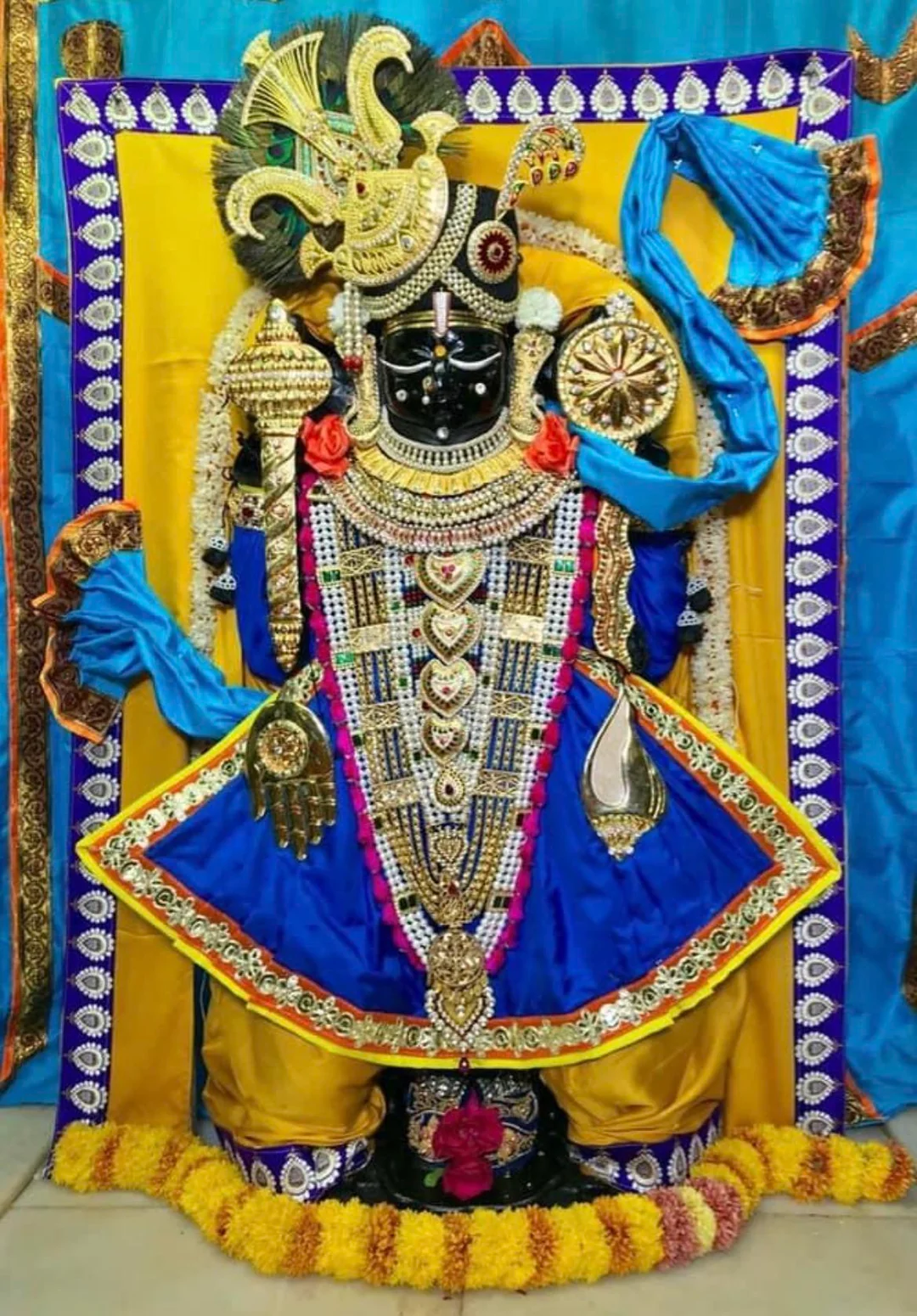
Dwarkadhish Temple is a major Hindu temple dedicated to Lord Krishna, who is worshipped here as the King of Dwarka. It is located in the town of Dwarka in Gujarat and stands at the mouth of the Gomti River. The temple is a primary site for Hindu pilgrims as it is one of the four destinations in the all-India Char Dham circuit, alongside Badrinath, Puri, and Rameshwaram. It also holds significance as one of the 108 Divya Desams and is recognized as a Shakti Peetha.
The temple is a five-story structure supported by 72 pillars. It is built on the site where Krishna is believed to have established his capital city thousands of years ago. Visitors should be aware that security is strict, and electronic items like mobile phones and cameras are not allowed inside the premises. The temple follows specific opening and closing hours during the day, with a break in the afternoon.
Quick Facts
| Detail | Info |
|---|---|
| Deity | Lord Krishna (Dwarkadhish) |
| Location | Dwarka, Devbhoomi Dwarka District |
| State | Gujarat |
| Temple Type | Char Dham, Shakti Peetha, Divya Desam |
| Nearest Metro/Station | Dwarka Railway Station (2 km) |
| Nearest Airport | Jamnagar Airport (137 km) |
| Entry Fee | Free |
| Timings | 6:30 AM – 1:00 PM and 5:00 PM – 9:30 PM |
| Best Months | October to March |
| Avoid | April to June (Extreme heat) |
History and Background
The history of the Dwarkadhish Temple is divided between ancient tradition and recorded archaeological history. According to Hindu texts, the original temple was built by Vajranabha, the great-grandson of Lord Krishna. It was constructed over the "Hari-Griha," which was Krishna's residential palace. Traditional accounts suggest this original structure dates back approximately 2,500 years. The city of Dwarka itself is described in the Mahabharata and the Puranas as a fortress city built on land reclaimed from the sea.
Archaeological evidence supports the existence of an ancient settlement. In the 1980s, marine archaeologists led by S.R. Rao discovered the remains of a submerged city off the coast of Dwarka. These ruins included stone walls, anchors, and pottery, which many believe to be the remnants of Krishna's original capital. The underwater city appears to have been a well-planned port town that was eventually swallowed by rising sea levels.
The current temple structure shows layers of different historical periods. The main sanctum and the lower parts of the temple are attributed to the 12th and 13th centuries. The 78.3-meter tall spire, or shikhara, was expanded during the 15th and 16th centuries. The temple faced several attacks during the medieval period. In 1472, Mahmud Begada, the Sultan of Gujarat, destroyed parts of the temple. It was later rebuilt and expanded by local rulers and devotees.
The temple also holds a central place in the history of the Advaita Vedanta school of Hinduism. Adi Shankaracharya, the 8th-century philosopher, visited Dwarka and established the Dwarka Peeth (also known as Sharda Peeth) here. This is one of the four cardinal monasteries (mathas) he founded across India to unify Hindu practice. Over the centuries, the Maratha rulers, particularly the Gaekwads of Baroda, contributed significantly to the maintenance and renovation of the temple complex.
The Deity and Significance
The main deity of the temple is Lord Krishna, referred to here as Dwarkadhish, which means "King of Dwarka." Unlike the childhood forms of Krishna seen in Mathura or the teacher form seen in the Bhagavad Gita, the idol here represents Krishna as a sovereign ruler. The idol is carved from black marble and depicts Krishna with four arms (Chaturbhuja). In his hands, he holds the traditional symbols of Lord Vishnu: the Sudarshana Chakra (discus), the Panchajanya (conch), a Gada (mace), and a lotus flower.
Pilgrims visit Dwarkadhish Temple seeking "Moksha" or spiritual liberation. It is believed that a visit to this temple completes the spiritual cycle for a Hindu devotee. The temple is also significant because it is the site where Krishna lived his adult life as a king and statesman after leaving his birthplace in Mathura.
The temple's status as a Shakti Peetha is linked to the tradition that the ornaments of Sati fell at this location. Specifically, the Rukmini Devi Temple, located 2 km away, is considered an integral part of this significance. Devotees believe that a pilgrimage to Dwarka is incomplete without visiting the Rukmini temple, as she was Krishna's primary queen. The site represents the union of the human and the divine, where a god lived as a king among men.
What You'll See
The architecture of the Dwarkadhish Temple follows the Maru-Gurjara style, which was prevalent in Western India. The structure is built primarily from limestone and sandstone. The most prominent feature is the five-story shikhara, which reaches a height of 78.3 meters. This tower is one of the tallest in Gujarat and is visible from several kilometers away.
The temple has two main entrances. The north entrance is called "Moksha Dwar" (Gate to Salvation), which is where devotees usually enter. The south entrance is "Swarga Dwar" (Gate to Heaven), which leads down 56 steps toward the Gomti River. These 56 steps are said to represent the 56 crore members of the Yadava clan.
Inside the complex, the main sanctum is known as the Nij Mandir. It is a tall, narrow room where the deity resides. Surrounding this is the Sabha Mandap, a large assembly hall supported by 72 carved pillars. The pillars and walls are decorated with intricate carvings of dancers, musicians, and various forms of Lord Vishnu.
A unique feature of the temple is the massive flag (Dhvaj) flown from the top of the shikhara. This flag is approximately 52 yards long and features symbols of the sun and the moon. It is changed five times a day—three times in the morning and twice in the evening. The changing of the flag is a major ritual, and the flag itself is sponsored by different families who often wait years for their turn. The flag is always replaced by a new one, and the old flag is never reused for the temple.
Darshan — How It Works
The darshan process at Dwarkadhish Temple is organized but can be crowded. There are no entry fees for general darshan. Visitors enter through the Moksha Dwar after passing through security checks. You must deposit all leather items, mobile phones, and cameras at the locker counters outside the temple.
On a normal weekday, the queue for darshan takes between 30 to 60 minutes. During weekends or minor festivals, this can increase to 2 or 3 hours. During major festivals like Janmashtami, the wait time can exceed 5 to 7 hours. The temple uses a barricaded queue system that leads devotees into the Sabha Mandap, where they can see the deity in the Nij Mandir from a distance. You usually get about 10 to 20 seconds directly in front of the sanctum before the crowd is moved along.
Special Puja and Access:
- Abhishek Puja: This is performed in the morning. It involves the ritual bathing of the deity.
- Shringar: This is the process of dressing the deity in elaborate clothes and jewelry.
- Tulsi Puja: Devotees can offer Tulsi leaves, which are considered very dear to Krishna.
- Priority Access: There is no official "VIP" ticket system for fast-track entry, but elderly and physically challenged visitors can sometimes use a separate side entrance or be assisted by temple volunteers to bypass the main stairs. It is best to approach the security office near the entrance for assistance.
The temple closes its doors between 1:00 PM and 5:00 PM. If you are in the queue at 12:45 PM, you might not get darshan as the doors close strictly on time for the deity's afternoon rest.
Festival and Crowd Calendar
| Month | Crowd Level | Main Event / Reason |
|---|---|---|
| January | Moderate | Winter pilgrims and Uttarayan |
| February | Moderate | Pleasant weather attracts tourists |
| March | High | Holi (Dhuleti) celebrations |
| April | Moderate | Ram Navami; start of summer heat |
| May | Low | Extreme heat; fewer pilgrims |
| June | Low | Peak summer; monsoon begins late June |
| July | Moderate | Shravan month begins; monsoon rain |
| August | Very High | Janmashtami (Krishna's Birthday) |
| September | High | End of Shravan; local fairs |
| October | High | Navratri and start of peak season |
| November | Very High | Diwali and Gujarati New Year |
| December | High | Winter vacations and year-end travel |
Most Crowded Events:
- Janmashtami (August/September): This is the biggest festival. The temple is packed for 48 hours. Wait times are extremely long, often 8+ hours.
- Holi (March): Known locally as Phool Dol, it involves throwing colors and special celebrations. Expect very heavy crowds.
- Diwali/New Year (October/November): This marks the peak of the Gujarati travel season. The town is usually at full capacity.
Best Days for Short Queues:
- Mid-week days (Tuesday to Thursday) in the months of May or June (if you can handle the heat).
- The period immediately after the Diwali holidays end and before the December winter break begins.
Getting There
By Train
Dwarka Railway Station (DWK) is well-connected to major cities. The station is about 2 km from the temple. Auto-rickshaws are available outside the station 24/7.
| From | Train Name | Duration | Notes |
|---|---|---|---|
| Ahmedabad | 19209 ADI VRL Express | 7-8 hours | Daily service |
| Mumbai | 12267 Saurashtra Mail | 14-16 hours | Reliable overnight train |
| Delhi | 19566 Uttaranchal Exp | 22-24 hours | Weekly service |
| Rajkot | 22959 Intercity Exp | 4-5 hours | Fast daily connection |
| Jaipur | 19574 JP OKHA Exp | 18-20 hours | Weekly service |
| Bangalore | 16334 VRL TVC Express | 36-40 hours | Long distance; check schedule |
Note: It is highly recommended to book tickets in advance at irctc.co.in.
By Road
Dwarka is connected by National Highway 947.
- From Jamnagar: 131 km (approx. 2.5 hours). The road is generally in good condition.
- From Rajkot: 225 km (approx. 4.5 hours). This is a major highway route.
- From Somnath: 230 km (approx. 5 hours). This coastal highway is scenic but can be slow due to local traffic.
State transport (GSRTC) buses and private luxury buses run frequently from Ahmedabad, Rajkot, and Jamnagar.
By Air
The nearest airport is Jamnagar Airport (JMG), located 137 km away. It has regular flights from Mumbai and occasionally from other cities. From Jamnagar, you can hire a taxi (approx. ₹3,000–₹4,000) or take a bus to Dwarka. Rajkot Airport (Hirasar) is 216 km away and offers more flight options from across India.
Where to Stay
Dwarka offers a wide range of accommodation, from simple pilgrim lodges to modern hotels.
- Budget: There are many Dharamshalas and Guest Houses near the temple. Prices range from ₹500 to ₹1,200 per night. These offer basic rooms with or without air conditioning.
- Mid-Range: Several hotels are located within a 1-2 km radius of the temple. Prices range from ₹2,000 to ₹4,500. These usually include Wi-Fi and in-house restaurants.
- Best Overall Option: Staying near the Gomti Ghat or the main market area is best for easy access to the temple for early morning or late night darshan. Hotels like Hawthorn Suites by Wyndham or Mercure Dwarka are located slightly further out (3-5 km) but offer higher comfort levels for ₹5,000–₹8,000 per night.
Staying in Dwarka is better than staying in Jamnagar or Rajkot because it allows you to attend the early morning "Mangla Aarti" and the late night "Shayan Aarti."
What You Can't Miss Nearby
1. Bet Dwarka
Located 30 km from Dwarka, this is an island believed to be the actual residence of Krishna. You must take a ferry from Okha jetty (a 15-minute boat ride). The island has several temples and is a significant pilgrimage site.
2. Nageshwar Jyotirlinga
Located 17 km from Dwarka, this is one of the 12 Jyotirlingas dedicated to Lord Shiva. It features a massive outdoor statue of Lord Shiva that is visible from a distance. It is a quick visit, usually taking about 45 minutes.
3. Rukmini Devi Temple
Located 2 km from the main temple, this 12th-century structure is dedicated to Krishna's wife. The architecture is beautiful, and the temple has a unique story about why it stands outside the main town.
4. Gomti Ghat and Sudama Setu
The Gomti Ghat is where the river meets the sea. Pilgrims take a holy dip here before entering the temple. The Sudama Setu is a suspension bridge over the river that provides great views of the temple and the Arabian Sea.
5. Gopi Talav
Located 20 km from Dwarka, this is a lake where the Gopis are said to have met Krishna. The soil here is yellow and smooth, known as "Gopi Chandan," which devotees apply to their foreheads.
6. Shivrajpur Beach
Located 12 km from Dwarka, this is a Blue Flag certified beach. It is very clean and offers white sand and clear blue water. It is a good place to relax after visiting the temples.
Practical Information
Costs Table
| Item | Approximate Cost |
|---|---|
| Locker Fee | ₹10–₹20 |
| Shoe Stand | Free (or small tip) |
| Auto-rickshaw (local) | ₹50–₹100 |
| Ferry to Bet Dwarka | ₹20–₹50 (Public boat) |
| Simple Meal (Thali) | ₹150–₹300 |
Dress Code:
There is no strict uniform, but modest clothing is required. Men should wear trousers or dhotis and shirts. Women should wear sarees or salwar kameez. Avoid wearing shorts, sleeveless tops, or revealing clothing, as you may be denied entry.
Photography:
Strictly prohibited inside the temple complex. You must leave your phone and camera in the lockers. You can take photos of the temple exterior from the Gomti Ghat or the Sudama Setu.
Facilities on-site:
- Lockers: Available near both entrance gates.
- Food: The temple trust provides "Prasad" (meals) at a dedicated hall nearby for a nominal cost.
- Toilets: Basic public toilets are available outside the temple.
- Wheelchair Access: Limited. There are many steps, especially at the Swarga Dwar. The Moksha Dwar has fewer steps but is not fully ramp-accessible.
What to Bring:
- A small pouch for cash (since wallets are allowed but phones are not).
- A bottle of water (to be kept in the locker or finished before entry).
- Identity proof (Aadhar card or Passport).
Frequently Asked Questions
Is there an entry fee for Dwarkadhish Temple?
No, entry for general darshan is free for everyone. There are no tickets required to enter the temple or see the deity.
What are the temple timings?
The temple is open from 6:30 AM to 1:00 PM and then reopens from 5:00 PM to 9:30 PM. It remains closed during the afternoon hours.
What is the dress code for visitors?
Visitors must wear modest clothing. Men should wear full-length trousers or dhotis. Women should wear sarees or long suits. Short skirts and shorts are not permitted.
Can non-Hindus visit the temple?
Yes, non-Hindus are allowed to enter the temple complex and view the architecture. However, they are generally not allowed into the innermost sanctum where the deity is kept. Some visitors may be asked to sign a declaration of faith or show ID.
Is photography allowed inside?
No, photography and videography are strictly banned inside the temple premises. Mobile phones and cameras must be deposited in lockers before entering.
How much time is needed for darshan?
On a regular day, plan for at least 2 hours to cover the locker process, the queue, and the darshan. During festivals, this can take much longer.
How do I reach Bet Dwarka?
You need to travel 30 km to Okha by bus or taxi, and then take a public ferry or a private boat from the Okha jetty to the island. The boat ride takes about 15 minutes.
Is this one of the 12 Jyotirlingas?
No, Dwarkadhish Temple is a Krishna temple. However, the Nageshwar Jyotirlinga is located just 17 km away from Dwarka and is usually visited on the same trip.
What is the significance of the flag?
The flag (Dhvaj) represents the sun and the moon, signifying that Krishna's rule will last as long as they exist. It is changed five times a day in a specific ritual.
When is the best time to visit?
The best time is from October to March when the weather is cool. The summer months (April to June) are extremely hot and can make the walk to the temple uncomfortable.
Is there a facility for the elderly?
While there are many steps, the temple staff and local volunteers often assist elderly pilgrims. It is best to enter through the Moksha Dwar as it involves fewer steps than the Swarga Dwar.
Quick Reference
- Main Deity: Lord Krishna as the King of Dwarka.
- Significance: One of the four all-India Char Dham sites and a Shakti Peetha.
- Location: On the banks of the Gomti River in Dwarka, Gujarat.
- Key Feature: The 78-meter tall shikhara and the flag that changes 5 times daily.
- Entry Gates: Swarga Dwar (56 steps from the river) and Moksha Dwar (main entry).
- Nearby Must-See: Bet Dwarka island and Nageshwar Jyotirlinga.
- Prohibited Items: No mobile phones, cameras, or leather items allowed inside.
- Best Travel Mode: Direct trains to Dwarka Railway Station from Ahmedabad or Mumbai.