
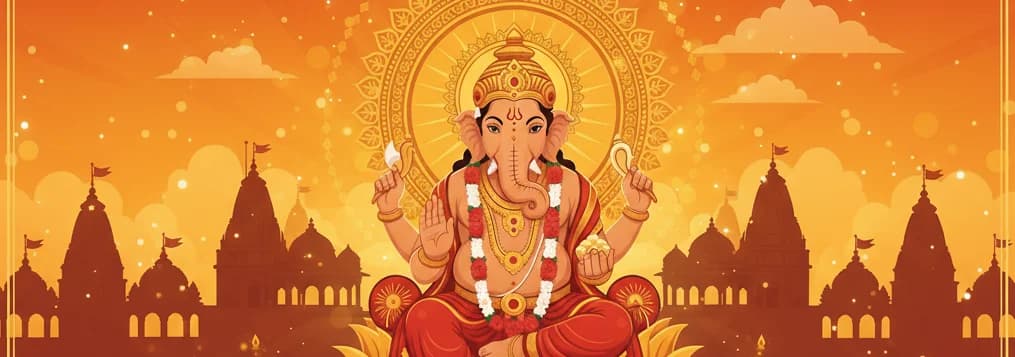
Dedicated to Lord Ganesha, observed on the 4th day of Krishna Paksha to remove obstacles and bring prosperity.
Vrat Timings
Moonrise · Moon darshan
8:37 PM
அக். 29, வியா.
Sight the moon and offer prayers before breaking the fast
அக். 29, வியா.
- Chaturthi begins1:07 AM
- Fast begins6:30 AM
- Moonrise8:37 PM
- Chaturthi ends10:10 PM
Sankashti Chaturthi Fast
About Sankashti Chaturthi
Each month, there are two Chaturthi periods in the Hindu lunar calendar. The one that happens after the full moon, during the waning phase (Krishna Paksha), is called Sankashti Chaturthi. The Chaturthi that follows the new moon, during the waxing phase (Shukla Paksha), is known as Vinayaka Chaturthi. Both these days are dedicated to Lord Ganesha. Sankashti Chaturthi is particularly observed by people who are looking to get over difficulties in their lives.
While Sankashti Chaturthi is observed every month, it's considered most important in the month of Magha (as per the Purnimanta calendar) or Paush (as per the Amanta calendar). When Sankashti Chaturthi falls on a Tuesday, it's called Angarki Chaturthi, and this day is thought to significantly boost blessings. This fast is quite common in Western and Southern India, with strong traditions in places like Maharashtra and Tamil Nadu.
Purpose
The word "Sankashti" actually means "deliverance during troubled times." Lord Ganesha is known as the deity who removes obstacles and also gives intelligence and wisdom. Observing Sankashti Chaturthi is a way for devotees to connect with Lord Ganesha, asking for his help to clear away difficulties, get their desires fulfilled, and bring about positive changes.
Observance Steps
The observance usually starts early in the morning, ideally before the sun comes up. After waking, a ritual bath is taken. Clean clothes should be worn. The puja area is prepared with an idol or a picture of Lord Ganesha.
The puja involves reciting prayers and mantras that are dedicated to Lord Ganesha. Common things people do include offering 21 blades of Durva grass, red flowers (like hibiscus), and modaks (which are a type of sweet). The mantra "Om Gam Ganapataye Namaha" is often chanted 108 times.
The fast itself can be observed in a few different ways. Some people observe a complete fast, not drinking any water from sunrise until moonrise. Others might drink water. For those who find a full fast too difficult, a partial fast that involves fruits and milk is an option. The fast is broken only after the moon is visible in the evening.
In the evening, after doing the aarti, water is offered to the moon. The fast is then broken with prasad (which is consecrated food). Reading or listening to the Sankashti Chaturthi Vrat Katha is also a part of the observance.
Stories of Sankashti Chaturthi
One old story is about King Harishchandra. After facing a lot of losses, he was advised by a sage to observe the Sankashti Chaturthi fast. Lord Ganesha, pleased with his devotion, is said to have restored his kingdom and reunited him with his family. This story shows how sincere devotion can help overcome very tough challenges.
Another story contrasts two sisters-in-law who were observing the fast. One performed the rituals with real devotion, while the other did it carelessly. The devout sister received blessings, but the other one faced negative outcomes. This really highlights how important intention and sincerity are in spiritual practices.
Guiding Your Observance
To observe Sankashti Chaturthi effectively, it's important to maintain cleanliness, both for yourself and your surroundings. Many people choose to observe silence or speak very little to help them focus better. Meditation and prayer are encouraged. Reading scriptures related to Lord Ganesha can be quite beneficial. Doing acts of kindness and charity is also considered a good thing. Keeping positive thoughts throughout the day is also important.
There are certain practices that are traditionally avoided. Eating non-vegetarian food is generally not done. Some traditions also suggest avoiding grains like rice and wheat when doing a partial fast, and instead focusing on fruits and milk. Negative emotions, anger, and harsh speech are discouraged. Sleeping during the day is usually avoided so that one can stay alert. Worldly entertainment is set aside. The fast should not be broken before moonrise, and ethical conduct is expected.
The Power of Angarki Chaturthi
When Sankashti Chaturthi happens to fall on a Tuesday, it's known as Angarki Chaturthi. This is considered a very auspicious day. Tuesday is linked to the planet Mars, which represents courage and action. The combination of this day with Ganesha's energy is believed to be particularly powerful for overcoming obstacles, achieving success, and getting protection.
Regional Traditions
Sankashti Chaturthi is observed with some differences in various regions. In Maharashtra, it's widely celebrated, and homes are often filled with the smell of modaks. In Tamil Nadu, it's known as "Sankatahara Chaturthi," and offerings like sweet pongal are common. In Karnataka, it's called "Sankashti Vratam," and the rituals might include an abhisheka (which is a ritual bath) of the Ganesha idol with panchamrita and offerings of Kudumulu (which are steamed rice flour dumplings).
Breaking the Fast
After the moon appears and prayers are offered, the fast is broken with foods that are easy to digest. This can include fresh fruits, milk products, or light dishes like sabudana. Coconut water is good for hydration. Sweet offerings like modak or laddu, which have been offered to Lord Ganesha as prasad, are consumed. It's a good idea to avoid heavy meals right after fasting.
Benefits of Practice
Regularly observing Sankashti Chaturthi is believed to help remove obstacles in different areas of life, including relationships, career, and personal growth. It can lead to more mental peace and clarity. Success in your efforts, better family harmony, and financial stability are also reported benefits. Many devotees feel a sense of divine protection.
Adapting to Modern Life
For people who have very busy schedules, the main ideas of Sankashti Chaturthi can be adapted. A partial fast of fruits and milk can be observed. Even a short puja done with sincerity can create a spiritual connection. Spending a few minutes meditating or listening to Ganesha bhajans can be incorporated. Eating a vegetarian diet for the day and practicing mindfulness can also be considered part of the observance. Lord Ganesha is understood to accept sincere efforts.
Note: All timings for Chaturthi Tithi and moonrise can vary based on your location. Please check local calendars for accurate timings.