Monthly Ganesha fasting on Shukla Chaturthi for success, wisdom, and removal of obstacles.
Vrat Timings
Moonrise · Moon darshan
9:03 AM
सोम, 14 सित॰
Sight the moon and offer prayers before breaking the fast
सोम, 14 सित॰
- Fast begins6:13 AM
- Chaturthi begins7:07 AM
- Moonrise9:03 AM
मंगल, 15 सित॰
- Chaturthi ends7:44 AM
Vinayaka Chaturthi: Monthly Observance for New Beginnings
Vinayaka Chaturthi is observed on the fourth day of the waxing moon phase (Shukla Paksha) each month. This day is dedicated to Lord Ganesha, and it's a time for seeking his blessings for wisdom and for clearing away any roadblocks. While the big Ganesh Chaturthi festival is well-known, these monthly observances are also quite important for many people.
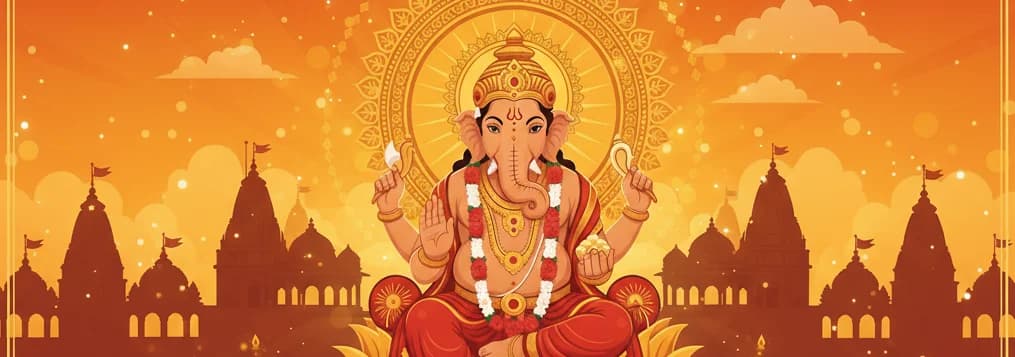
Lord Ganesha, son of Shiva and Parvati, is a key figure in Hindu worship. His elephant head is said to represent wisdom. His physical features are also meaningful: his large ears encourage listening well, his small eyes help with focus, and his big belly shows he can handle all sorts of experiences. He typically holds a lotus, an axe, a noose, and a modak in his four hands.
Why Vinayaka Chaturthi Matters
This monthly observance is particularly helpful for anyone starting something new. Ganesha is traditionally prayed to first before any major undertaking, like starting a business, pursuing education, or getting married. The waxing moon phase, when Vinayaka Chaturthi happens, is associated with growth and increasing light, which fits well with aiming for success and knowledge. Unlike Sankashti Chaturthi, which is about overcoming difficulties during the waning moon phase (Krishna Paksha), Vinayaka Chaturthi is more about positive things like gaining knowledge and achieving success.
How to Observe Vinayaka Chaturthi
Observances usually start early in the morning. People often bathe and wear clean clothes, frequently in red or yellow. A puja area is set up with an image or idol of Ganesha. Altars are decorated with flowers, and Durva grass, which Ganesha apparently likes a lot, is offered.
The puja ceremony can be quite detailed, with many steps, or it can be a simpler affair. Key parts often include bathing the deity with a mix of milk, honey, ghee, and sugar (called Panchamrita), and then offering things like flowers, incense, and food.
Modak and Chanting
A very common offering during Ganesha worship is the modak, which is a sweet dumpling. Making modak can be a calming activity, and the finished sweets are then offered as prasad. Chanting Ganesha mantras is also a big part of the observance. The most common one is "Om Gam Ganapataye Namaha." Some people also recite the Ganesha Atharvashirsha or Sahasranama, and sing devotional songs. Many devotees will chant mantras 108 times, often using a mala (prayer beads) to keep count.
Fasting and Self-Control
Fasting practices can vary. Some people might fast completely from sunrise until the moon rises, while others might have a partial fast, only eating fruits and milk. In some traditions, people wait to see the moon before breaking their fast. The external fast is considered most effective when it's paired with an "inner fast"—meaning, trying to avoid negative thoughts, harsh words, and harmful actions. Staying truthful, patient, and kind are also considered important parts of this observance.
The Moon-Sighting Tradition
There's a tradition about looking at the moon on Vinayaka Chaturthi. The story goes that Lord Ganesha cursed the moon for laughing at him when he fell off his mount. The curse was that anyone looking at the moon on this night would face false accusations. This curse was later softened, and its main effect is often linked to the annual Ganesh Chaturthi in the month of Bhadrapada, with stories about the Syamantaka jewel offering a way around it. How this tradition is understood can differ from place to place.
Regional Differences
How Vinayaka Chaturthi is observed can be quite different across India. In Maharashtra, families often prepare special meals and sweets. In the southern states, elaborate pujas are common, and people might visit specific Ganesha temples. In some communities, this day also becomes a social gathering, where people strengthen their bonds through shared worship and cultural activities.
What You Might Gain from Observing
Regularly observing Vinayaka Chaturthi is believed to help remove obstacles in different areas of life, like education, career, and relationships. Ganesha, also known as Vidya Ganapati, is linked to knowledge, so observing this day might help improve memory, intellect, and concentration. Business and work endeavors are thought to benefit from his blessings, potentially leading to better decisions and more opportunities. Spiritually, the practice is said to help refine one's consciousness, reduce internal struggles, deepen devotion, and foster qualities like wisdom and humility.
Fitting It Into Modern Life
In today's world, you can observe Vinayaka Chaturthi in flexible ways. Even a short morning puja with sincere devotion can be effective. Technology can help with reminders, playing mantra recitations, and devotional music. Even simple offerings like flowers and a heartfelt prayer are considered acceptable. If you can't make modak, any sweet or fruit can be offered, as the sincerity of your devotion is what really counts.
Ganesha's childlike nature is seen as a spiritual lesson, encouraging a joyful and innocent approach to devotion. The monthly cycle of Vinayaka Chaturthi provides regular chances for spiritual connection and renewal, helping to bring Ganesha's presence into daily life.
Note: Vinayaka Chaturthi happens on the fourth day of the waxing moon phase each lunar month. The exact times will depend on your location. It's a good idea to check a local panchang for accurate dates and times. The traditions around moon-sighting can also vary by region and family customs.