

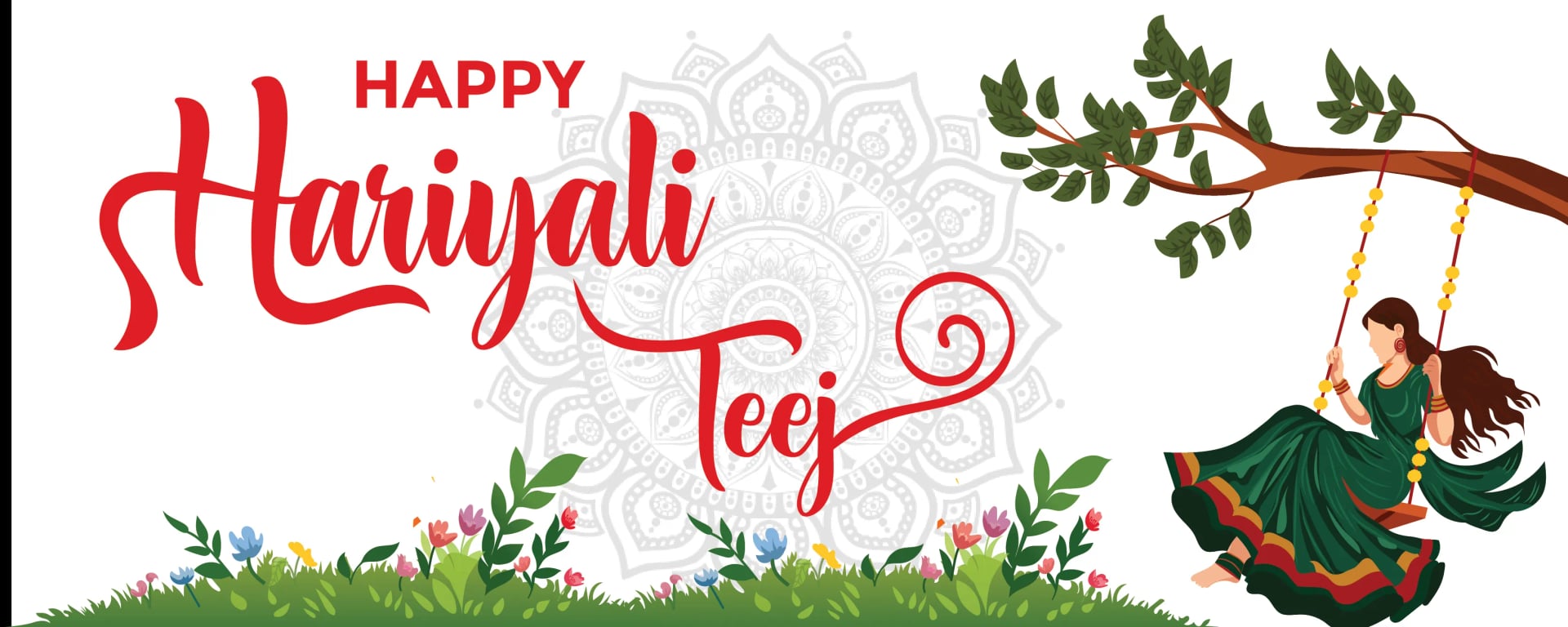
Significance of Hariyali Teej
Hariyali Teej marks the beginning of the monsoon season and is dedicated to Goddess Parvati. The name "Hariyali" refers to the greenery that appears with the rains. The festival is primarily observed by married women who fast and pray for their husbands' longevity and well-being. Unmarried women also observe the fast to pray for a good husband. The festival seeks divine blessings for prosperity, relationship harmony, and a good harvest, reflecting agricultural traditions.
Beyond its religious aspects, Hariyali Teej is a cultural event that strengthens family and community ties. It symbolizes nature's renewal and the cyclical nature of life, mirroring the monsoon's arrival. The celebration encourages togetherness through traditional songs, storytelling, and activities, preserving cultural heritage and customs for younger generations.
Origins and Practices
The origins of Hariyali Teej are linked to the story of Goddess Parvati's devotion to Lord Shiva. Tradition states that Lord Shiva accepted her as his wife on this day. The festival occurs on the third day of the waxing moon in the month of Shravana, a period associated with Lord Shiva and the monsoon. This timing highlights the festival's connection to fertility, prosperity, and blessings for a harmonious life.
During Hariyali Teej, women traditionally fast, abstaining from food and water. They worship Goddess Parvati with prayers and offerings. Married women often wear new, brightly colored clothing, particularly green, symbolizing new beginnings and fertility. Henna (mehndi) and bangles are also worn as auspicious adornments. Singing devotional songs and swinging on swings (jhulas) are common practices, reflecting the joy associated with the monsoon.
Regional Celebrations
Hariyali Teej is celebrated across India with regional variations. In Rajasthan, it involves processions, folk dances, and decorated swings. Haryana and Punjab see women observing the fast and participating in singing and dancing. Uttar Pradesh celebrations include gatherings in temples and homes for prayers to Goddess Parvati. Contemporary celebrations often feature feasts, gift exchanges, and social gatherings, while maintaining the festival's core religious and cultural significance. The theme of greenery and the monsoon's bounty remains central to both urban and rural observances.