

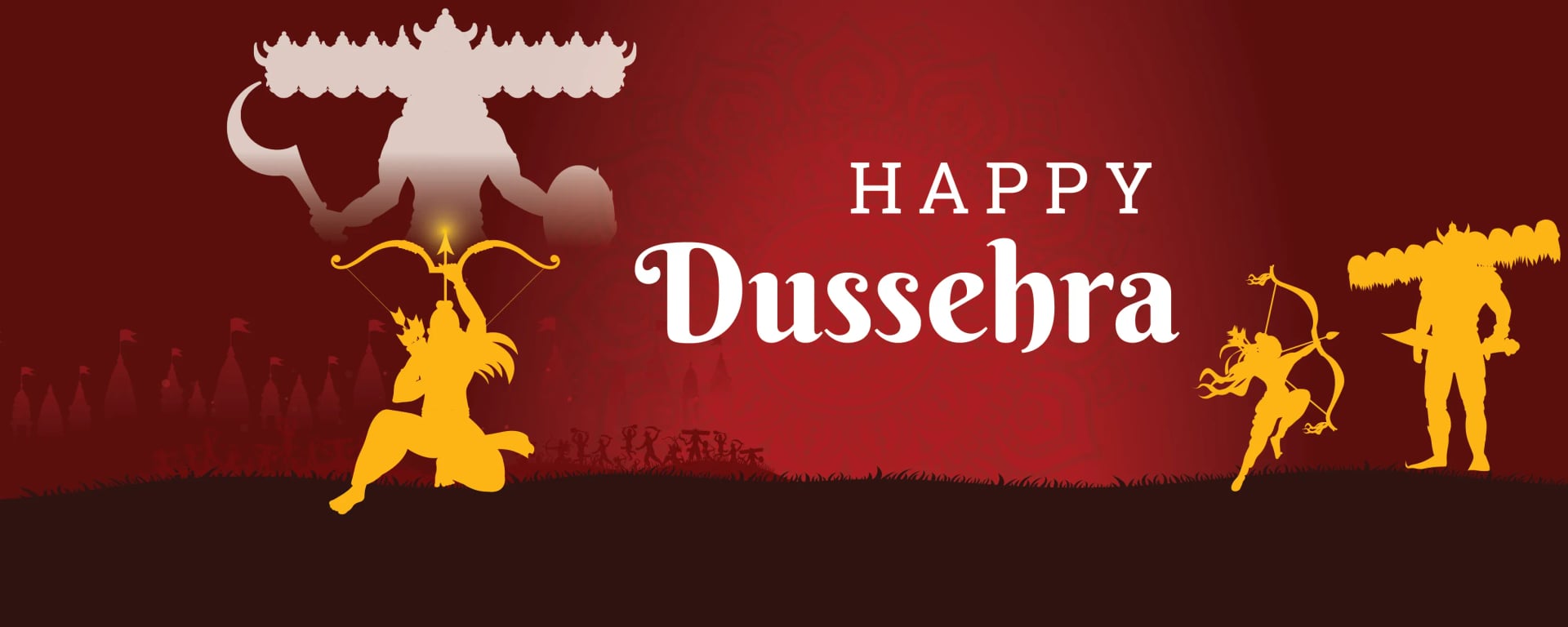
Dussehra: Significance and Practices
Dussehra, also known as Vijayadashami, is a significant Hindu festival. It commemorates the victory of Lord Rama over the demon king Ravana. This event, described in the Ramayana, represents the triumph of good over evil.
The festival marks the end of Navaratri, a nine-day period of worship dedicated to Goddess Durga. Rama's victory on the tenth day is seen as a divine blessing for peace and prosperity. Dussehra is also considered a time for starting new endeavors and for personal reflection.
Historical Context and Rituals
The origins of Dussehra are linked to the epic Ramayana. The story of Lord Rama's battle against Ravana, who had abducted Sita, is central to the festival. The concept of dharma, or cosmic order, is important, and Rama's victory is viewed as its re-establishment. The preceding Navaratri period, dedicated to the worship of the divine feminine, highlights the interconnectedness of divine energies in Hinduism.
Common rituals include pujas (worship ceremonies) for Lord Rama and Goddess Durga. Chanting of Vedic mantras for protection and victory is practiced. In some areas, yajnas (fire sacrifices) are performed for purification and blessings. The burning of Ravana effigies symbolizes the destruction of negative traits and self-purification.
Observances and Celebrations
Dussehra celebrations vary across India. In many regions, large effigies of Ravana, Kumbhakarna, and Meghanada are burned at sunset, representing their defeat. Ramlila, dramatic reenactments of the Ramayana, are popular in northern India. In eastern India, Dussehra often coincides with Durga Puja, with the immersion of the Durga idol concluding the festivities. Modern celebrations include exchanging greetings, feasting, and purchasing new items to signify prosperity.