
Dussehra 2034 తేదీ & పూజా ముహూర్తం
2034 సంవత్సరపు Dussehra 22, అక్టోబర్ 2034, ఆదివారం నాడు వస్తుంది. Celebrates the victory of Lord Rama over Ravana
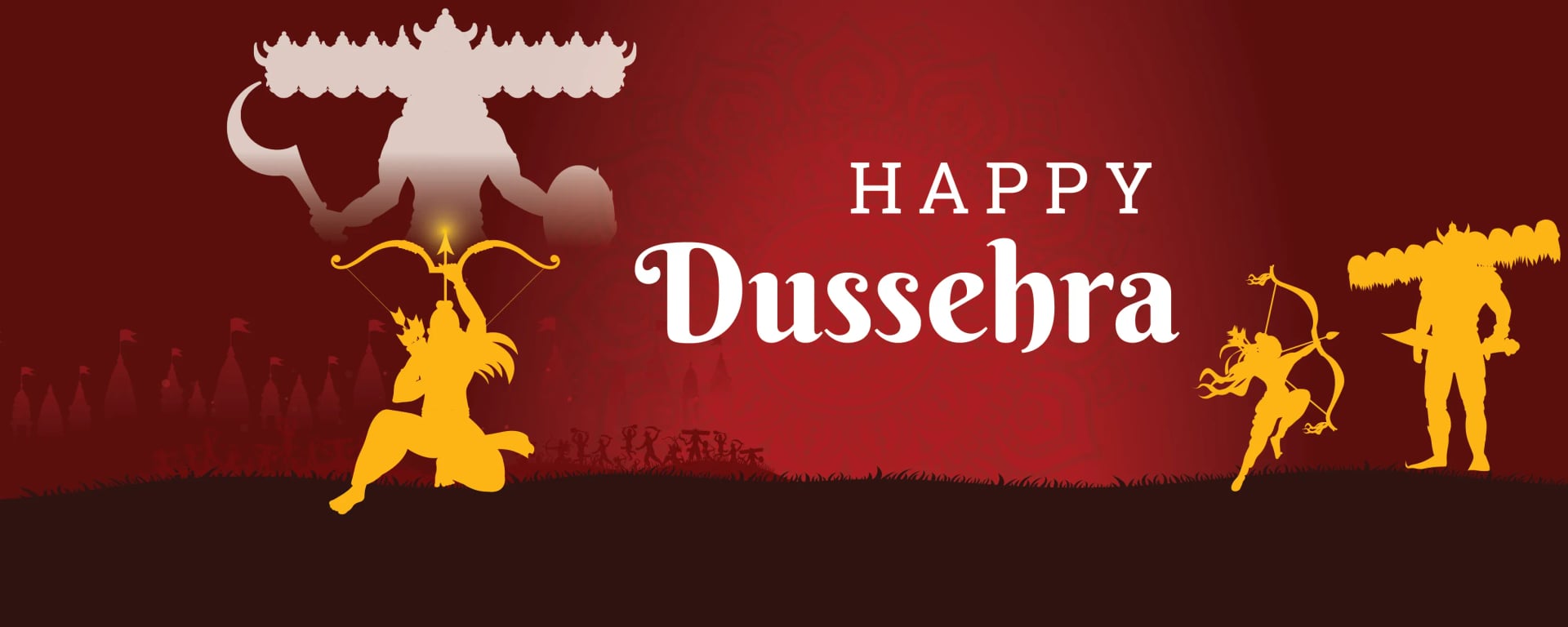
ఒక చూపులో Dussehra 2034
- తేదీ
- 22, అక్టోబర్ 2034, ఆదివారం
- హిందూ మాసం
- Ashwina
- వ్యవధి
- 1 రోజు
- జరుపుకునే ప్రాంతాలు
- All India
ప్రాముఖ్యత మరియు విశిష్టత
దసరా, విజయదశమి అని కూడా పిలుస్తారు, ఇది భారతదేశం అంతటా గొప్ప ఉత్సాహంతో జరుపుకునే అత్యంత ముఖ్యమైన హిందూ పండుగ. ఇది విష్ణువు అవతారమైన శ్రీరాముడు, భయంకరమైన రాక్షస రాజు రావణుడిపై సాధించిన విజయానికి ప్రతీక. పవిత్ర రామాయణంలో వివరించబడిన ఈ పురాణ యుద్ధం, చెడుపై మంచి, అధర్మంపై ధర్మం, అన్యాయంపై న్యాయం యొక్క అంతిమ విజయాన్ని సూచిస్తుంది. ఈ పండుగ సద్గుణాల శాశ్వతమైన బలాన్ని మరియు దుష్టత్వం యొక్క అనివార్య పతనాన్ని శక్తివంతమైన జ్ఞాపికగా పనిచేస్తుంది, భక్తులకు ఆధ్యాత్మిక శాంతిని మరియు నైతిక మార్గదర్శకత్వాన్ని అందిస్తుంది.
దాని కథన ప్రాముఖ్యతకు మించి, దసరా లోతైన సాంస్కృతిక మరియు ఆధ్యాత్మిక ప్రాముఖ్యతను కలిగి ఉంది. ఇది దేవత దుర్గాను ఆమె వివిధ రూపాలలో పూజించడానికి అంకితం చేయబడిన తొమ్మిది రాత్రుల నవరాత్రి పండుగ యొక్క పరాకాష్టను సూచిస్తుంది. పదవ రోజున రాముని విజయం శాంతి మరియు శ్రేయస్సుతో కూడిన యుగాన్ని తీసుకువచ్చే దైవిక ఆశీర్వాదంగా పరిగణించబడుతుంది. చాలా మందికి, దసరా కొత్త ప్రయత్నాల ప్రారంభాన్ని మరియు ఆత్మపరిశీలన మరియు పునరుద్ధరణకు సమయాన్ని కూడా సూచిస్తుంది, సమయం యొక్క చక్రీయ స్వభావాన్ని మరియు ఆధ్యాత్మిక ఉన్నతి కోసం నిరంతర పోరాటాన్ని బలపరుస్తుంది.
చరిత్ర మరియు సంప్రదాయాలు
దసరా యొక్క చారిత్రక మరియు వేద మూలాలు హిందూ సంప్రదాయంలో ఒక ప్రాథమిక గ్రంథమైన రామాయణంతో లోతుగా ముడిపడి ఉన్నాయి. తన భార్య సీతను అపహరించిన రావణుడిపై శ్రీరాముడు ధర్మబద్ధమైన యుద్ధం చేసిన కథ, పండుగ ఆచరణకు కేంద్రంగా ఉంది. వేద సంప్రదాయాలు ధర్మం, విశ్వ క్రమం యొక్క ప్రాముఖ్యతను నొక్కి చెబుతాయి మరియు శ్రీరాముని విజయం ఈ క్రమాన్ని పునఃస్థాపనగా పరిగణించబడుతుంది. ముందున్న నవరాత్రి కాలంలో దైవిక స్త్రీని పూజించడం, విజయదశమితో పరాకాష్టకు చేరుకోవడం, హిందూ దేవతా గణంలో దైవిక శక్తుల పరస్పర అనుసంధానాన్ని హైలైట్ చేస్తుంది.
దసరాకు సంబంధించిన ముఖ్యమైన వేద ఆచారాలలో తరచుగా శ్రీరాముడు, దేవత దుర్గా మరియు కొన్నిసార్లు విష్ణువుకు అంకితం చేయబడిన పూజలు (ఆరాధన వేడుకలు) ఉంటాయి. వేదాల నుండి మంత్రాలు మరియు స్తోత్రాల పఠనం, ముఖ్యంగా దైవిక రక్షణ మరియు విజయాన్ని ఆవాహన చేసేవి, ఒక సాధారణ అభ్యాసం. కొన్ని ప్రాంతాలలో, వాతావరణాన్ని శుద్ధి చేయడానికి మరియు శ్రేయస్సు కోసం ఆశీర్వాదాలను కోరడానికి యజ్ఞాలు (అగ్ని బలులు) నిర్వహించబడతాయి. రావణ దహనం యొక్క ప్రతీకాత్మకమైనది, ప్రతికూల లక్షణాల నాశనాన్ని మరియు స్వీయ శుద్ధీకరణను సూచిస్తుంది.
వేడుకలు మరియు ఆచారాలు
దసరా వేడుకలు భారతదేశ సంస్కృతి యొక్క గొప్ప వస్త్రాలను ప్రతిబింబిస్తూ, శక్తివంతమైనవి మరియు విభిన్నమైనవి. దేశవ్యాప్తంగా, రావణుడు, అతని సోదరుడు కుంభకర్ణుడు మరియు కుమారుడు మేఘనాదుడి యొక్క విస్తృతమైన ప్రతిమలు నిర్మించబడతాయి, ఆపై సాయంత్రం శ్రీరాముడిచే వారి ఓటమిని సూచిస్తూ నాటకీయంగా అగ్నికి ఆహుతి చేయబడతాయి. రామాయణం యొక్క నాటకీయ ప్రదర్శనలైన రామలీల ప్రదర్శనలు, ఉత్తర భారతదేశంలోని అనేక పట్టణాలు మరియు గ్రామాలలో ఒక ప్రముఖ లక్షణం, పెద్ద జనసమూహాలను ఆకర్షిస్తాయి. తూర్పు భారతదేశంలో, పండుగ తరచుగా దుర్గా పూజ వేడుకలతో కలిసిపోతుంది, తొమ్మిది రోజుల పండుగ ముగింపును దుర్గా విగ్రహ నిమజ్జనం సూచిస్తుంది. ఆధునిక ఆచారాలలో శుభాకాంక్షలు మార్పిడి, విందులు మరియు కొత్త దుస్తులు మరియు వస్తువుల కొనుగోలు, శ్రేయస్సు మరియు అదృష్టాన్ని సూచిస్తాయి.
Dussehra 2034: తరచుగా అడిగే ప్రశ్నలు
2034లో Dussehra ఎప్పుడు వస్తుంది?
Dussehra 2034 నాడు 22, అక్టోబర్ 2034, ఆదివారంన వస్తుంది.
Ujjainలో Dussehra 2034 నాడు సూర్యోదయ సమయం ఎంత?
Ujjainలో, సూర్యోదయం 6:26 AMకి మరియు సూర్యాస్తమయం 5:55 PMకి ఉంటుంది.
Dussehra ఏ హిందూ మాసంలో వస్తుంది?
Dussehra Ashwina హిందూ మాసంలో వస్తుంది.
Dussehra ఎక్కడెక్కడ జరుపుకుంటారు?
Dussehra భారతదేశం అంతటా మరియు ప్రపంచవ్యాప్తంగా ఉన్న హిందువులందరిచే జరుపుకోబడుతుంది.