

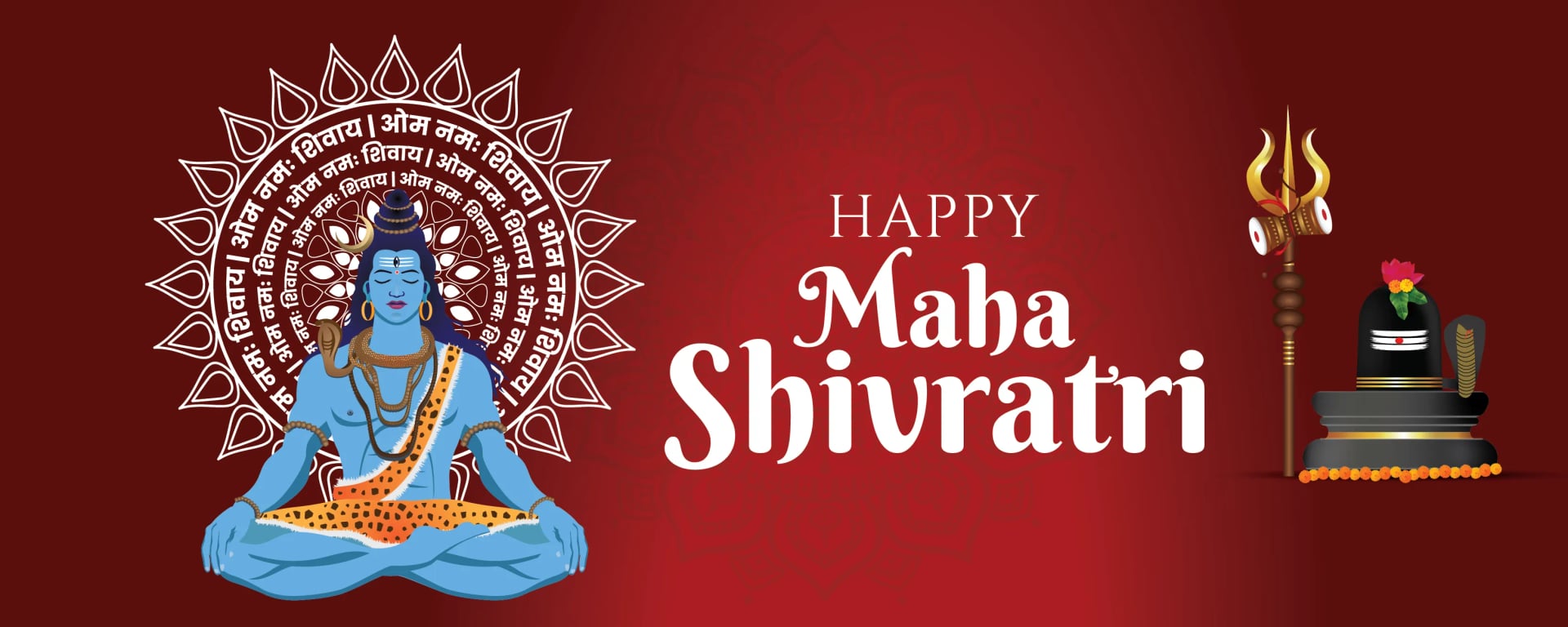
Maha Shivratri: Significance and Observances
Maha Shivratri, translating to "Great Night of Shiva," is a major Hindu festival honoring Lord Shiva. It is observed as the night Shiva performed the Tandava, a cosmic dance representing creation, preservation, and destruction. The festival also marks Shiva's marriage to Goddess Parvati. Devotees observe this day to seek blessings for spiritual progress, liberation, and the removal of difficulties. The core spiritual aim is to move beyond worldly concerns and connect with the divine essence of Shiva.
The significance of Maha Shivratri is linked to Shiva's cosmic energies. It is a time for self-reflection, disciplined practice, and spiritual awareness. Through fasting, mantra chanting, and meditation, individuals aim to cleanse their minds and spirits, fostering a closer connection to the divine. The festival symbolizes the triumph of positive forces over negative ones, and knowledge over ignorance, reflecting Shiva's role as ultimate reality. It is considered a period when the boundary between the physical and spiritual worlds is reduced, facilitating intense spiritual practices.
Historical Context and Rituals
The origins of Maha Shivratri are found in ancient Hindu texts like the Puranas. While specific historical accounts differ, the fundamental practices have remained consistent. Vedic scriptures identify Shiva as the supreme being, the origin of all existence, and the dispeller of ignorance. The worship of the Shiva Lingam, an abstract symbol of Shiva's formless nature, is central to the rituals. Ancient yogis and ascetics are recorded to have observed this night with severe penance and meditation to achieve spiritual insights and enlightenment.
Traditional practices for Maha Shivratri include a day-long fast, typically broken only after the night's prayers conclude. Devotees perform 'Abhishekam,' a ritualistic cleansing of the Shiva Lingam, using substances like water, milk, yogurt, honey, and ghee. This is accompanied by chanting of 'Om Namah Shivaya' or the Maha Mrityunjaya Mantra. The night is dedicated to prayer, meditation, and devotional singing (bhajans and kirtans) in Shiva temples. Remaining awake throughout the night, known as 'Jagaran,' is a key observance, signifying alertness and devotion.
Regional Celebrations
Maha Shivratri is celebrated with devotion throughout India, with local variations in customs. In northern India, particularly in cities like Varanasi, Haridwar, and Rishikesh, large gatherings attend elaborate pujas and rituals at Shiva temples. In South India, Shiva temples draw significant crowds for 'Abhishekam' and 'Archana' performed continuously through the night. Many devotees undertake pilgrimages to important Shiva sites, such as Kedarnath and Amarnath. Modern celebrations often feature decorations, cultural performances, and the distribution of 'Prasad' (blessed food).