

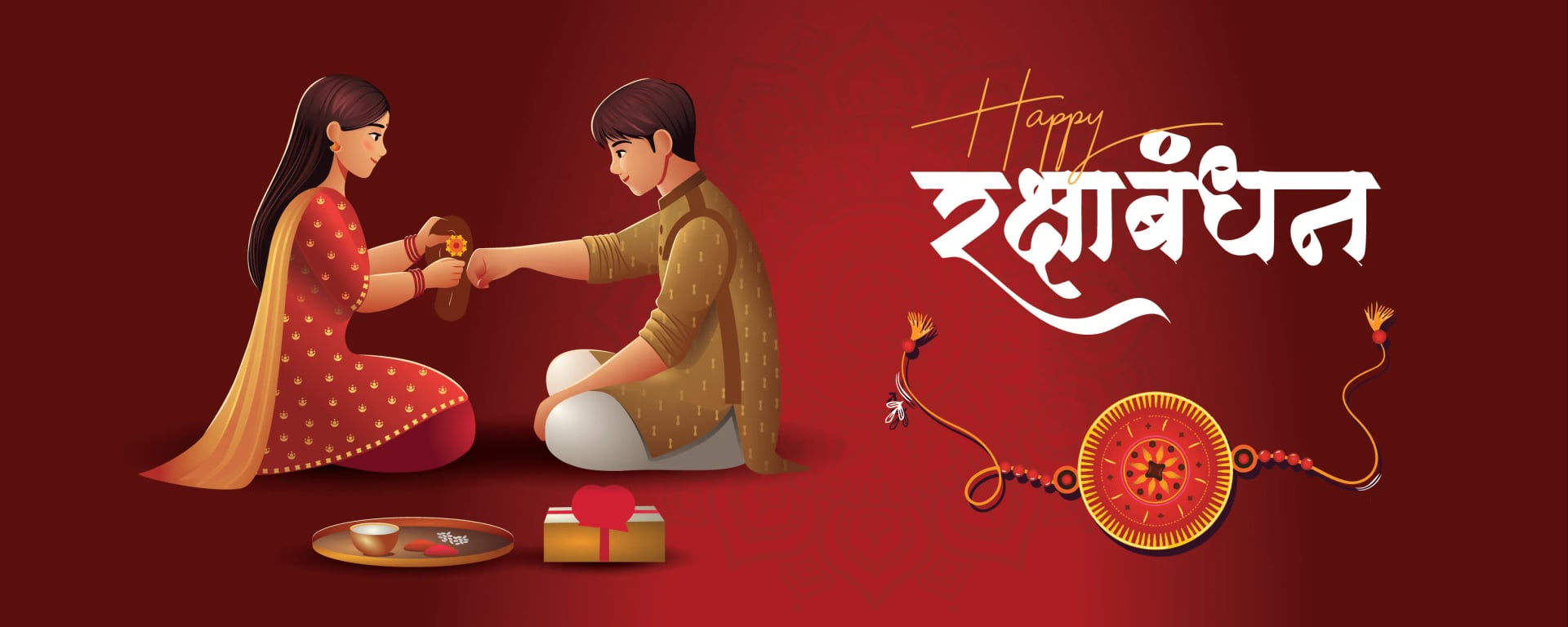
Raksha Bandhan: Practical Aspects
Raksha Bandhan, meaning "bond of protection," is a festival observed to mark the relationship between brothers and sisters. The core practice involves a sister tying a sacred thread, or Rakhi, on her brother's wrist. This act signifies a commitment to mutual support and protection. The observance is not limited to biological siblings and can extend to cousins and close friends, symbolizing a broader commitment to safeguarding one another. The festival reinforces protective relationships considered important for individual and family stability.
The practice is linked to the concept of righteous duty. Tying the Rakhi is a symbolic gesture for the well-being of the sibling. It represents a commitment to mutual support during challenges and fostering a stable relationship. The festival highlights the importance of nurturing relationships that contribute to personal and social harmony.
Historical Context and Rituals
The origins of Raksha Bandhan are found in ancient Indian narratives. One account mentions Goddess Lakshmi tying a Rakhi on Lord Vishnu. Another tradition relates to the Mahabharata, where Draupadi tied a Rakhi on Lord Krishna's wrist. These stories illustrate the ritual's historical use for invoking protection and strengthening kinship ties.
Traditional practices involve specific rituals. A sister prepares a plate with the Rakhi, roli (vermilion powder), akshat (rice grains), and sweets. She applies roli and akshat to her brother's forehead before tying the Rakhi. The brother typically offers gifts and a promise of protection.
Observances and Modern Adaptations
Raksha Bandhan is celebrated throughout India with family gatherings and gift exchanges. Sisters tie the Rakhi on their brothers' wrists, and brothers offer tokens of affection. While the central ritual is consistent, regional variations in sweets or customs may occur. In contemporary practice, individuals may send Rakhis and celebrate remotely to maintain the bond across distances.