Naraka Chaturdashi: Practical Significance
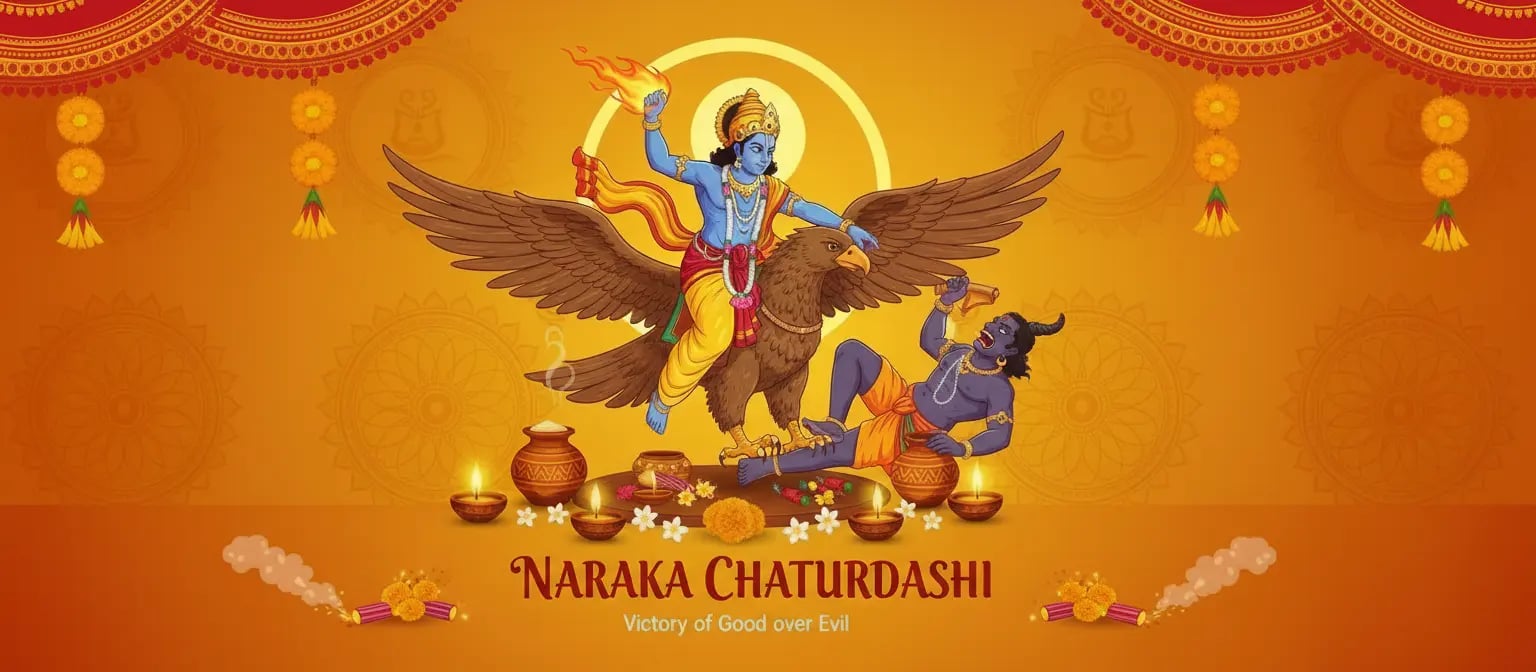
Naraka Chaturdashi, also known as Choti Diwali, is the second day of the Diwali festival. It marks the defeat of the demon Narakasura by Lord Krishna. This event is understood as the overcoming of negativity and ignorance, leading to spiritual clarity. The day emphasizes the ongoing balance between right and wrong, and the eventual victory of positive forces.
The spiritual aspect of Naraka Chaturdashi focuses on purification and release from burdens. Observing this day encourages reflection on personal challenges and the pursuit of inner cleansing. Rituals and prayers are believed to help in overcoming difficulties, negative influences, and past mistakes, contributing to spiritual renewal and a path toward liberation. The festival serves as a preparatory period for the main Diwali celebrations.
History and Rituals
The origins of Naraka Chaturdashi are found in ancient Indian texts, specifically the Puranas. According to these narratives, Narakasura stole sacred ornaments and imprisoned many women. Lord Krishna, with Satyabhama, fought and defeated the demon, freeing the captives and restoring order. This victory is the central event commemorated on this day.
Traditional practices for Naraka Chaturdashi often start before dawn with an Abhyanga Snana, a ritual bath. This involves applying scented oils and turmeric paste, symbolizing physical and spiritual cleansing, akin to the purification after Narakasura's defeat. Devotees also light oil lamps (diyas) and offer prayers to Lord Krishna for protection and well-being.
Observances
Naraka Chaturdashi is widely celebrated across India. While the central story is consistent, local customs vary. Many begin the day with the early morning ritual bath, followed by lighting diyas and preparing traditional sweets. Homes are decorated with colorful patterns (rangolis) and festive adornments. People participate in prayers and aarti, expressing gratitude for the triumph of good over evil and seeking blessings for the coming year.