
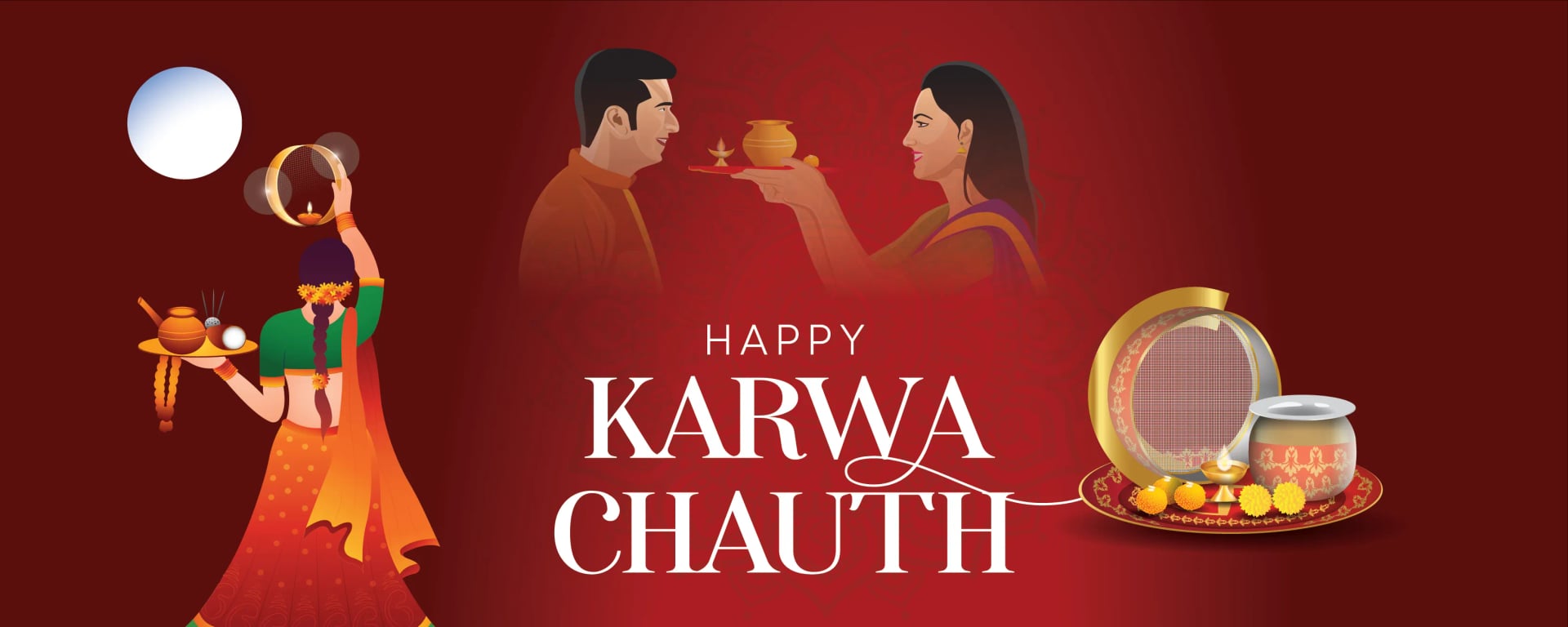
Karva Chauth: A Guide to the Observance
Karva Chauth is a Hindu festival observed by married women, primarily in northern India. The central practice is a day-long fast undertaken for the husband's long life and well-being. This observance is based on the belief that a wife's devotion can bring positive outcomes for her spouse. The festival also highlights the importance of love, commitment, and mutual respect within marriage.
The observance involves self-discipline and prayer. Fasting from sunrise to moonrise is a form of austerity. This practice is believed to attract good fortune for the husband and the family. The festival reflects traditional Hindu values of devotion and sacrifice.
Origins and Rituals
The exact historical origins of Karva Chauth are unclear, but it is linked to ancient Indian traditions and stories. Some believe it evolved from earlier customs where women fasted for their husbands' safe return from journeys. The name "Karva Chauth" comes from "karva," an earthen pot for water, and "Chauth," meaning the fourth day of the waning moon in the Hindu month of Kartik. This connects the festival to lunar cycles.
Traditional rituals include a pre-dawn meal called "sargi," often shared with the mother-in-law. Throughout the day, women engage in prayers and listen to the story associated with Karva Chauth. They may also gather with other women for devotional activities. An evening puja is performed, with prayers offered to deities like Lord Shiva, Goddess Parvati, and Lord Ganesha for marital harmony and the husband's health. The fast is broken after seeing the moon and performing a specific ritual with the karva.
Celebration Practices
Karva Chauth celebrations involve cultural traditions. Married women often wear red attire, a color associated with auspiciousness. They apply henna designs on their hands and feet. In some areas, women gather to share the story of Veeravati, emphasizing the importance of completing the fast correctly.
Regional customs vary. In Punjab, a ritual offering called "Bayan" is common. In Rajasthan, devotion to Goddess Gauri is prominent. While modern practices may incorporate technology, the core fast and prayers for the husband's welfare remain central. The breaking of the fast is a joyous occasion, often marked by husbands giving gifts to their wives.