Holi 2027 Date & Puja Muhurat
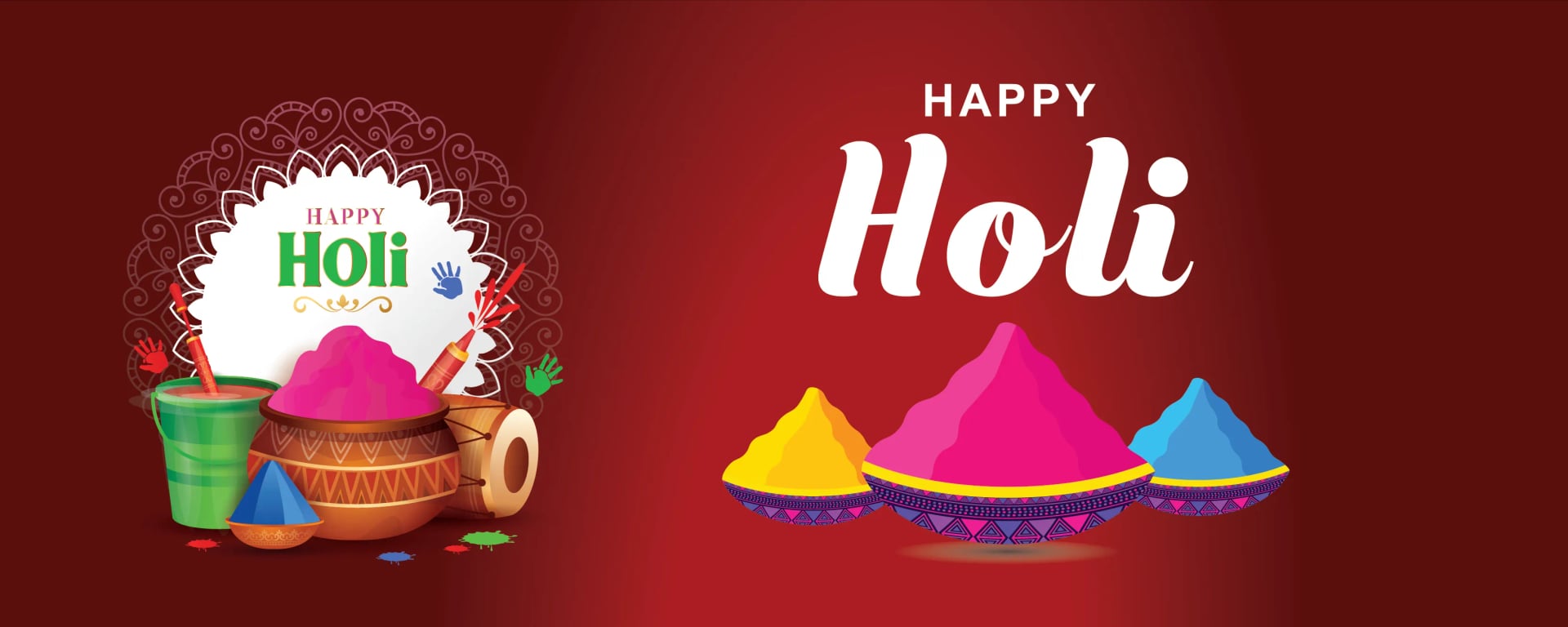
Holi 2027 is on Tuesday, March 23, 2027. Festival of colors celebrating the arrival of spring
Holi 2027 at a glance
- Date
- Tuesday, March 23, 2027
- Hindu month
- Phalguna
- Duration
- 1 day
- Celebrated in
- All India
Holi: Practical Guide
Holi, also known as the Festival of Colors, is a spring festival celebrated in India and by Hindu communities globally. It marks the arrival of spring and the triumph of good over evil. The festival is linked to devotion to Lord Vishnu and the playful interactions of Radha and Krishna. It provides an opportunity to resolve past conflicts, improve relationships, and start anew.
Holi promotes unity and equality by transcending social barriers through the use of colors. It encourages forgiveness, camaraderie, and a shared appreciation for life. The festival embodies joy, mirth, and the significance of devotion, highlighting the presence of the divine and the importance of spreading happiness.
History and Rituals
Holi's origins are rooted in ancient Vedic traditions and Puranic stories. A key narrative involves Prahlad and Holika. Prahlad, a devotee of Lord Vishnu, faced persecution from his father, King Hiranyakashipu. Holika, Prahlad's aunt, was immune to fire. She attempted to burn Prahlad in a pyre, but Prahlad survived due to his devotion, while Holika perished. This event symbolizes the destruction of evil.
This is commemorated on the eve of Holi with Holika Dahan, the burning of a bonfire. This ritual represents the elimination of negativity, ego, and inauspicious elements, making way for positivity. The bonfire flames are considered an offering for blessings and protection. The following day is dedicated to playing with colors, reflecting the playful nature of the divine and the vibrancy of spring.
Observances
The main celebration involves throwing colored powders (gulal) and water at each other, accompanied by music, dancing, and food. People apply colors to each other, symbolizing the breakdown of social distinctions and the embrace of universal brotherhood. Traditional sweets like Gujiya and Malpua are prepared and shared. Regional variations exist, such as Lathmar Holi in Barsana, where women playfully hit men with sticks, and specific traditions in Mathura and Vrindavan, associated with Radha and Krishna. Modern celebrations often include music, dance, and community events.
Holi 2027: frequently asked questions
When is Holi in 2027?
Holi 2027 is on Tuesday, March 23, 2027.
What time is sunrise on Holi 2027 in Ujjain?
In Ujjain, sunrise is at 6:28 AM and sunset is at 6:38 PM.
Which Hindu month is Holi in?
Holi falls in the Hindu month of Phalguna.
Where is Holi celebrated?
Holi is celebrated across India and by Hindus around the world.