

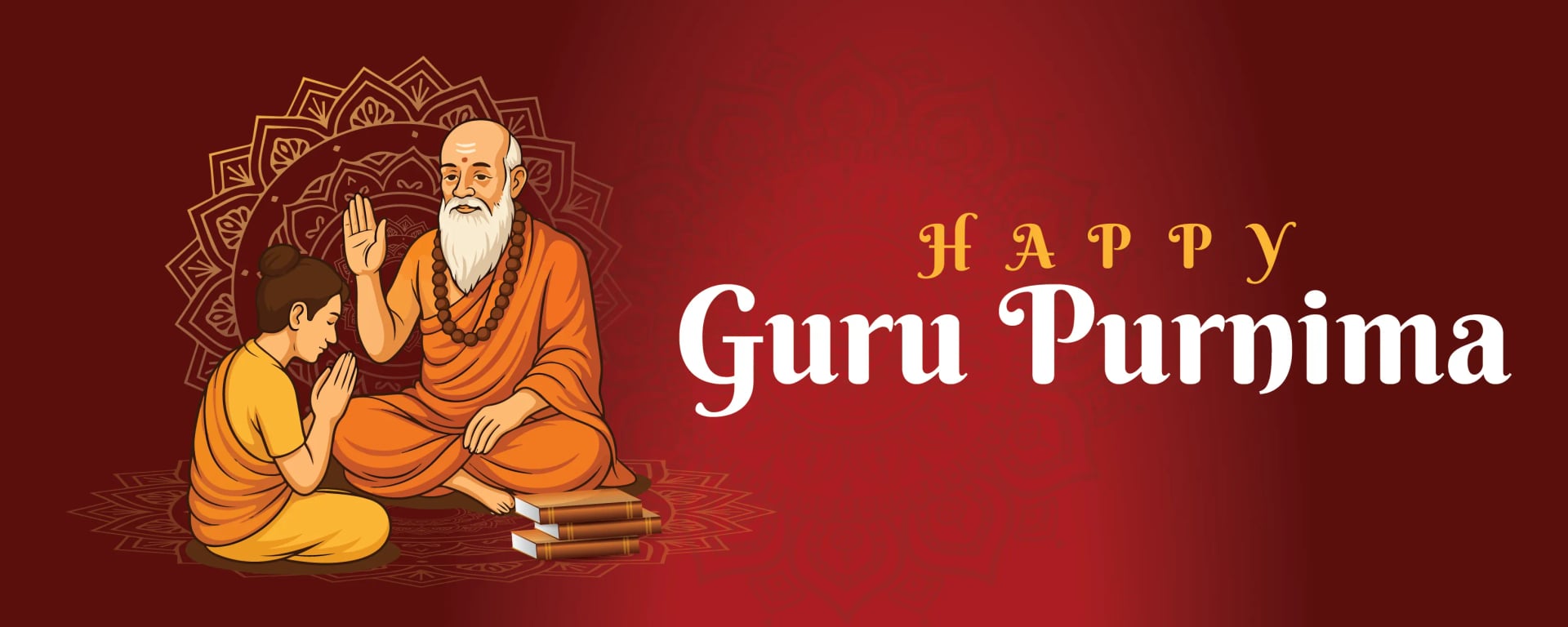
Guru Purnima: A Guide to Observance
Guru Purnima, also known as Vyasa Purnima, is a Hindu observance dedicated to acknowledging spiritual teachers and mentors. It occurs on the full moon day of the Ashadha month in the Hindu lunar calendar. The observance highlights the importance of the teacher-disciple relationship. The teacher is seen as a guide who helps individuals move from ignorance towards knowledge and personal development. This day serves as an occasion for disciples to show gratitude for the wisdom and guidance received from their teachers.
The observance recognizes the teacher as a significant figure in spiritual development. In Vedic thought, a teacher is more than an instructor; they are a spiritual guide who assists individuals in connecting with their inner selves and a higher power. The teachings of a teacher can lead to personal transformation and self-understanding. The role of teachers in shaping not only knowledge but also character is acknowledged, fostering respect and devotion.
Historical Context and Practices
The origins of Guru Purnima are linked to Vedic traditions, particularly in honouring Maharshi Veda Vyasa, credited with compiling the Vedas and writing the Mahabharata. His birth is believed to fall on this day, making it a time to acknowledge his contributions to Hindu philosophy. The observance also marks the start of Chaturmas, a four-month period considered suitable for spiritual practices.
Traditional practices involve disciples offering prayers, flowers, and gifts to their teachers as a sign of appreciation. Many visit their teachers to seek blessings and guidance. Teachers may deliver talks on spiritual philosophy and ethical conduct, reinforcing traditional wisdom. Offering dakshina, a voluntary contribution, signifies a disciple's commitment to the teachings and the teacher's service.
Observance and Modern Relevance
Guru Purnima is observed with significant devotion across India. Disciples gather to honour their teachers, often organizing ceremonies and cultural events. Devotional songs and religious talks are common. While the central focus is honouring teachers, specific rituals may vary by region. Modern observances often include honouring educators, mentors, and anyone who has positively impacted an individual's life, reflecting the ongoing importance of the teacher's role.