

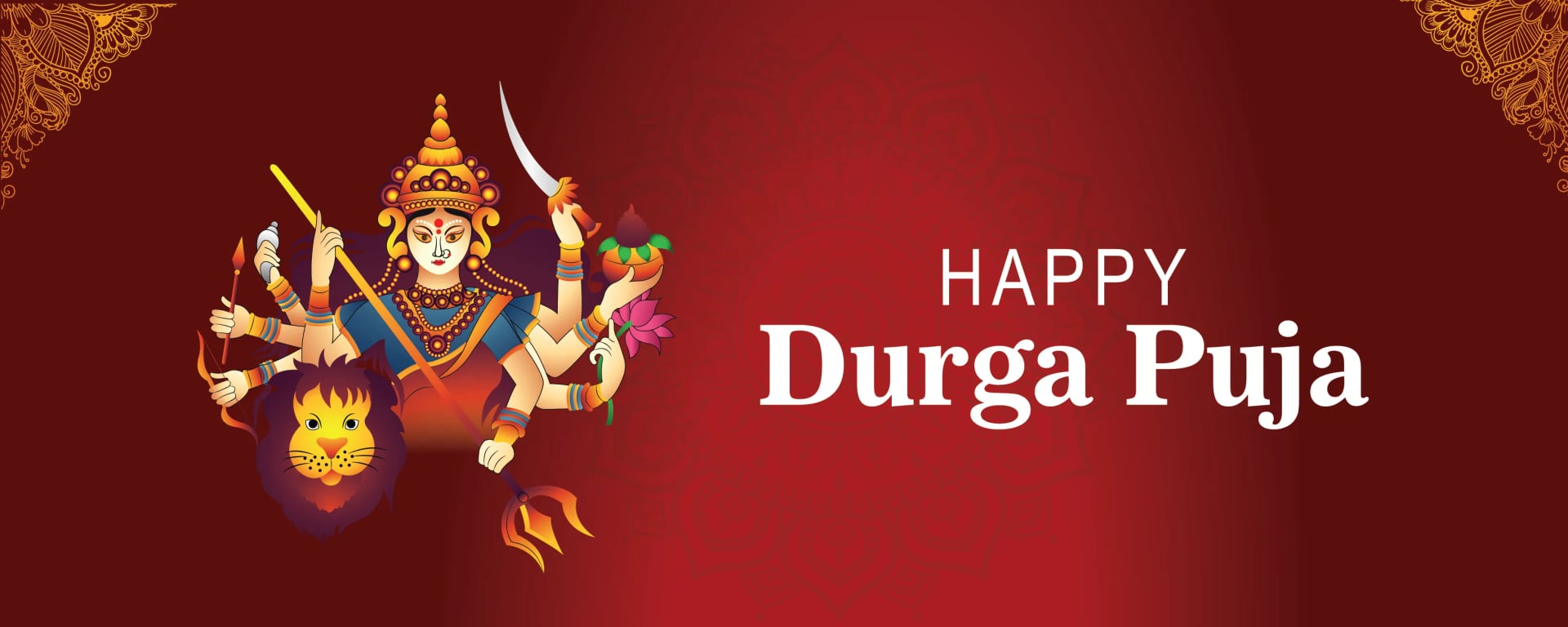
Durga Puja: Purpose and Meaning
Durga Puja is a significant Hindu festival observed over nine days. It honors Goddess Durga, representing divine feminine energy. The festival symbolizes the triumph of good over evil. Goddess Durga is depicted as a strong warrior, respected for her power, bravery, and protective nature. She is believed to embody the cosmic force that creates and destroys. Worshippers seek her protection from hardship and guidance toward spiritual growth and prosperity.
The festival encourages connecting with feminine energy. It is a period for reflection, seeking blessings for well-being, and reinforcing belief in the natural order. It also promotes community bonding and the continuation of traditional practices. The festival serves as a reminder of the ongoing conflict between right and wrong, encouraging adherence to moral principles.
Origins and Rituals
The origins of Durga Puja are found in ancient Indian texts. While the exact historical start is unclear, it likely began with early farming communities and the worship of mother goddesses. The Markandeya Purana describes Goddess Durga's battle with the demon Mahishasura. This event is central to the festival and highlights Durga's role as a protector against evil, establishing her as a supreme deity.
Traditional rituals include elaborate worship ceremonies. Key practices involve invoking the Goddess (Bodhan), consecrating the idol (Prana Pratishtha), and reciting sacred texts like the Durga Saptashati. Offerings of flowers, fruits, and sweets are made, accompanied by chanting. The eighth (Ashtami) and ninth (Navami) lunar days are particularly important. They often include special ceremonies such as the worship of young girls (Kumari Puja) and Sandhi Puja, which marks the transition between Ashtami and Navami.
Observance and Festivities
Durga Puja is widely celebrated, with West Bengal, Odisha, Assam, Bihar, and Jharkhand being major centers. The festival begins with Mahalaya, signaling the start of Devi Paksha. Temporary structures called pandals are set up, housing idols of Goddess Durga and her companions. People visit these pandals for viewing the deity and participating in lamp rituals (aartis). Cultural events, music, dance, and communal meals are part of the celebrations, fostering joy and togetherness. The festival concludes on the tenth day, Vijaya Dashami. Idols are immersed in water, symbolizing the Goddess's return, and greetings and sweets are exchanged, signifying victory and new beginnings.