Diwali: Key Aspects and Practices
Diwali, also known as Deepavali, is a major Hindu festival. It symbolizes the victory of positive forces over negative ones. The core message encourages the replacement of negative internal states with wisdom and ethical conduct. Decorating homes with lights signifies attracting prosperity and positive influences.
The festival is linked to Goddess Lakshmi, associated with wealth, and Lord Rama's return to Ayodhya after defeating Ravana. This event is viewed as an example of righteousness prevailing over injustice. Celebrating Diwali reinforces a commitment to moral living and seeking blessings for material and spiritual well-being.
Origins and Rituals
Diwali's timing is based on the Hindu lunar calendar, occurring on the new moon night of Kartik. A key historical narrative involves Lord Rama's return to Ayodhya after 14 years of exile and his victory over Ravana.
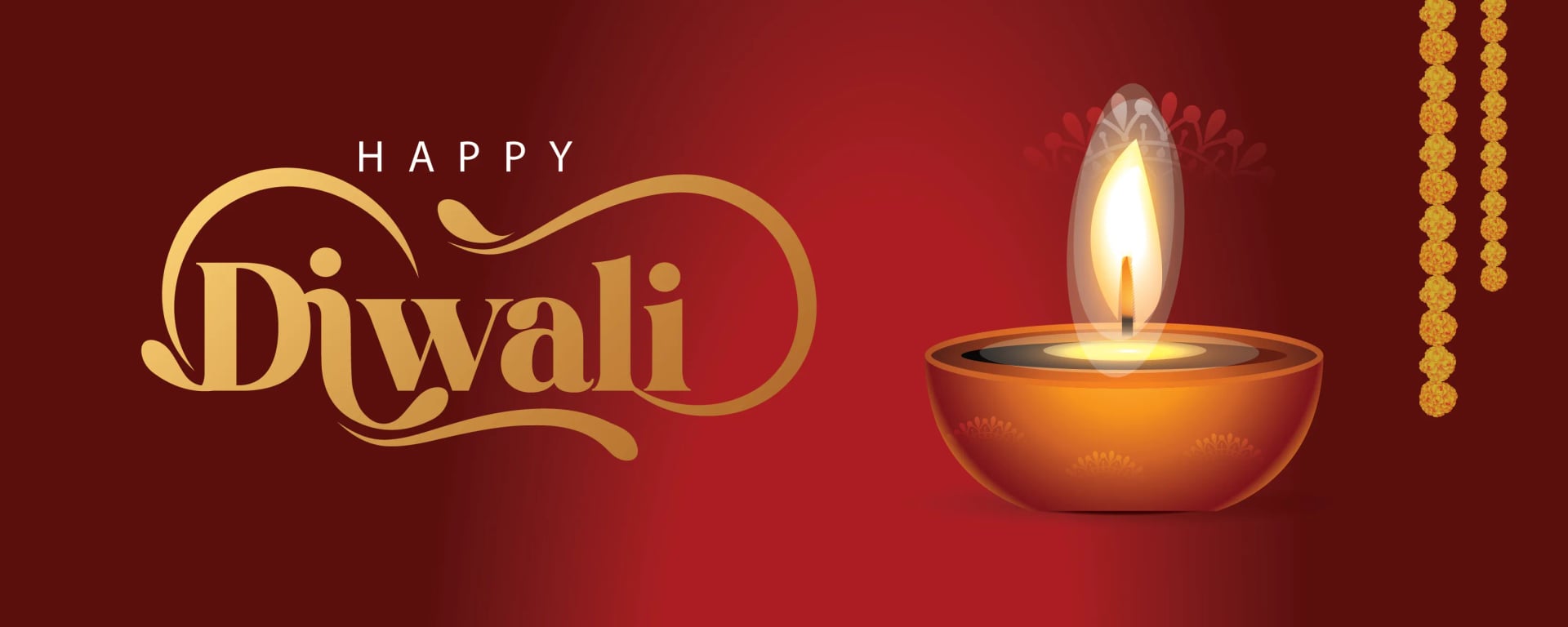
Common rituals include prayers (pujas) to Goddess Lakshmi and Lord Ganesha. Homes are cleaned and decorated with oil lamps (diyas), decorative patterns (rangoli), and flowers. Lighting lamps is a significant practice, representing the dispelling of ignorance.
Observances and Variations
Diwali is typically observed over five days, with the third day, Lakshmi Puja, being the main focus. Families gather for prayers, gift exchanges, and shared meals. Celebrations often include fireworks, sweets, and the prominent display of lights.
Regional differences exist. In North India, it can mark the end of the financial year for businesses. In South India, it is sometimes linked to Lord Krishna's defeat of the demon Narakasura. Modern practices include elaborate light displays, shopping, and social gatherings, all while maintaining the festival's themes of light, prosperity, and renewal.